









What is the difference between paid, owned and earned media?
Have you ever felt confused by all the fancy words people use when talking about online advertising? You’re not the only one. Lots of people who own businesses or work in marketing feel like they’re lost in a maze, trying to figure out the difference between things like paid, earned, and owned media. There are so many options that it can feel really overwhelming. But what if I told you that in just a few minutes, you could understand these different types of media and know where to spend your time and money!
In this article, you will uncover the intricacies of each media type, their strengths and weaknesses, and learn how to craft an integrated strategy for maximum online visibility.
You’ll walk away with clarity, ready to make informed decisions and elevate your business’s digital presence.
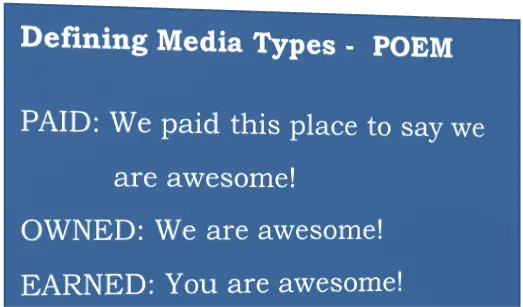
What is Paid Media?
Imagine pouring funds into a platform, expecting it to work its magic and direct an influx of customers to your door.
This is the essence of paid media: an investment you make to buy attention.
Definition and examples of Paid Media:
Paid media refers to any form of digital marketing that requires payment to place your brand, product, or service in front of your target audience.
The most common examples include:
- Pay-per-click (PPC) advertising: For example, Google Ads, where you pay each time someone clicks on your advert
- Social media ads: Think sponsored posts on Facebook or promoted tweets on Twitter
- Display ads: Those banners you see on websites, enticing you to click
When you look at paid media as a whole, it can be overwhelming because there’s so many channels and it can be difficult to develop a strategy or think about which channels might be worth investing in for your business.
Pros and cons of Paid Media:
Pros:
Instant traffic
While organic traffic takes time to build, with paid media, you can start seeing results almost immediately.
Measurable
Almost every aspect of paid media can be tracked, which means you can easily measure Return on Ad Spend and optimise your campaigns based on data.
Channels like Radio, TV and Newspaper make it difficult to determine ROI.
Reach high intent users easily
When it comes to Google Ads, you are able to reach high intent users by targeting specific keywords that are related to your products or services.
For example, if your business sells running shoes, you can target keywords such as “best running shoes” or “running shoes for flat feet.” When a user searches for one of these keywords, your ad will appear in the search results, providing the user with an opportunity to click through to a specific page on your website related to running shoes.
In this way, it’s like you’re finding someone who wants a particular product, and sending that person to the exact aisle and section of your shop that has that product at the time the person is searching for it.
As you’re reaching users who are actively searching for a product or service, you’re more likely to generate leads, sales and revenue.
Multi-channel targeting
With paid media, you can literally target users wherever they are online.
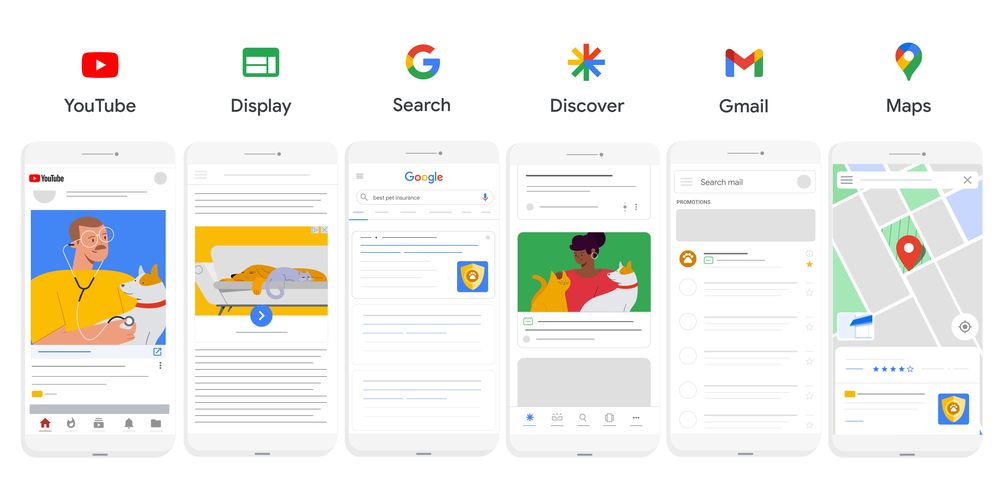
For example, with Google Ads, you can target users across YouTube, websites they visit (through Display Ads), Google Search (as they’re searching for things), when they’re browsing their emails, or looking at their Maps app.
Similarly, across Facebook and Instagram Ads, you can target users across all placements of the two channels (such as feeds, marketplace, inbox and shop) as well as when users are accessing third party apps that accept advertisements.
When you think about all of the other social media channels out there, you can probably see how if you wanted to, you could be in your target audience’s face at every turn.
Pay per click system
Some paid media channels run by a pay per click system, such as Google Search Ads. This means that you only pay when someone clicks on your ad.
In other words, even if your ad is seen by 10,000 users but none of them click on your ad – you won’t pay a cent.
In this way, you can ensure that your budget is being spent on actually generating traffic. Do note however that this is only applicable if you run specific campaign types on Google Ads, such as search campaigns.
Retargeting capabilities
Social media ad channels have powerful retargeting capabilities. For example, on Facebook, you can retarget users based on how they interact with your page, your videos, and your website.
You can choose to be very targeted and specific, which becomes powerful for reaching the right people at the right time.
For example, you could retarget users who have watched 75% or more of one of your specific video ads in the past. In this way, you’re spending money to reach users who have already shown interest in your brand, or interest in particular products/services.
Cons of Paid Media
Cost
Paid media requires an upfront investment, and costs can add up quickly, especially if you’re not managing it all in house.
For example, if you’re running social media ads, you have to think about the cost of the ad itself, but also the development of creatives (images and videos) that need to be produced too. Developing effective ad creatives takes time, and if you or your team doesn’t specialise in this, you may need to consider outsourcing this part of the process.
On top of this, if your business is outsourcing the ad setup and management itself, consider these costs too.
While paid media costs can add up quite quickly, you’re able to track and measure ROI in real time, which means there won’t be any surprises.
Complexity
Regardless of the channel you use, managing paid ads is complex. While some channels have smaller learning curves (like Facebook Ads) it still requires knowledge and skill, time and hard work to get things off the ground.
If you have the flexibility to be able to trial campaigns and test, test, test – then that’s fantastic. But, if your company has a tighter budget and very clear KPIs, then consider hiring an expert that specialises in this area.
Dependency
Over-reliance on paid media can lead to a “pay-to-play” scenario where your visibility is primarily driven by your ad spend.
When this happens, you end up relying too much on paid media for growth, and if you’re not spending money on ads, you’re not growing.
This is not an ideal scenario to end up in. Ideally, you should have a myriad of channels generating revenue for your business (both paid media channels and organic channels).
While paid media can help you reap amazing rewards, an over-reliance on it can transform into a massive downside.
Creative resource heavy
To succeed on social media ads long term, you need to test many creatives. This requires a significant time investment to produce suitable creatives on an ongoing basis.
On top of this, it requires someone with the skill to create eye-catching creatives that capture attention and prompt action.
One way to negate this downside is to use Canva, the free design tool (also has a paid version) to build creatives.
When and why to use Paid Media:
Paid media is your go-to when you want to:
- Launch a new product or service and need immediate results
- Target a specific group of people who might not know about your business
- Test and validate new marketing messages or strategies quickly
However, while paid media can open doors, it’s essential to ensure that your investment leads to tangible returns.
It’s not just about getting people through the door; it’s about ensuring they stay, engage, and ultimately, convert.
What is Earned Media?
Picture this: you wake up to an unexpected notification – a top industry influencer has just mentioned your brand in a glowing review.
Suddenly, there’s a surge of interest and engagement around your business, and you haven’t paid a penny for it. Welcome to the power of earned media.
Definition and examples of Earned Media:
Earned media is any publicity or brand mention that you haven’t paid for or created yourself. Instead, it’s “earned” through brand interactions, customer experiences, or notable events.
Common examples include:
- Media Coverage: Features or mentions in magazines, newspapers, or on TV and radio
- Online Reviews: Customers leaving positive feedback on platforms like Google My Business or Trustpilot
- Social Mentions: Tweets, Facebook posts, or Instagram stories where users mention or discuss your brand
- Guest Posts: Articles you write for another company’s blog, earning you exposure and possibly backlinks
- Word of Mouth: The age-old, powerful tool of customers talking about your brand to others
Pros and cons of Earned Media:
Pros
It’s more trustworthy
In the digital age, consumers are becoming increasingly skeptical of paid advertising. A Nielsen survey found that a whopping 88% of respondents trust recommendations from people they know more than any other form of marketing message.
This means that when your brand is mentioned organically by peers, influencers, or in a news feature, it’s often perceived with a higher degree of authenticity and credibility compared to a paid advertisement.
It’s cost effective
At a glance, earned media appears free, and indeed, you’re not paying for these organic mentions in the traditional sense. However, it’s essential to remember that there’s an indirect cost: the time and effort you invest in building a commendable brand, fostering relationships with influencers, and maintaining a strong public image.
Despite this, over the long term, it can prove far more cost-effective than continuous paid campaigns, particularly when a single positive mention can reverberate across the digital landscape for weeks or even months.
It’s long lasting
Paid advertisements have a shelf life; they end when your campaign budget runs out or ad fatigue kicks in. On the other hand, a positive article in a respected publication, a glowing review from a trusted influencer, or even viral word-of-mouth praise on social media can have a lingering impact.
These can be referenced, shared, and revisited, continually adding value and credibility to your brand long after the initial mention.
Cons of Earned Media:
Less control
One of the most significant trade-offs with earned media is the relinquishment of control.
While a paid advertisement can be meticulously crafted to convey your brand’s message, earned media is in the hands of the public, journalists, or influencers.
This means that your brand might be represented in ways you hadn’t anticipated, which can sometimes stray from your desired image or messaging.
Not guaranteed
The unpredictability of earned media is both its strength and weakness. A positive mention can skyrocket a brand to fame, but there’s no assured formula for achieving this.
Requires maintenance
Every brand, regardless of its size or industry, is susceptible to both positive and negative attention. In the realm of earned media, a single negative review, news story, or social media post can spiral, damaging the brand’s reputation.
This necessitates a continuous effort in monitoring mentions, engaging with audiences, managing public relations, and ensuring that the brand’s image remains positive and untarnished.
In other words, while earned media can be incredibly beneficial, it also demands vigilance.
Strategies to earn more media attention:
Engage with Your Audience:
In today’s digital age, brands aren’t just faceless corporations; they’re entities that consumers want to interact with and relate to. By actively engaging on social media platforms – responding to comments, acknowledging mentions, and addressing concerns – you not only enhance your brand image but also foster loyalty.
This engagement shows that your brand values its customers and listens to their feedback, creating an avenue for organic discussions and mentions.
Network with the Right People:
It’s often said that it’s not just what you know, but who you know. This is incredibly accurate in the realm of earned media.
Building and nurturing relationships with key industry influencers, reputable journalists, and popular bloggers can amplify your brand’s reach.
These individuals have vast audiences that trust their opinions, and a nod from them can significantly boost your brand’s visibility.
Quality Over Quantity:
The digital space is saturated, and it’s easy for brands to get lost in the noise. Rather than focusing on being everywhere, emphasise being the best in specific niches.
Ensure that your products or services are top-tier and that your customer service is unmatched. Positive customer experiences naturally lead to word-of-mouth recommendations, reviews, and organic mentions.
Encourage Reviews and Testimonials:
Word of mouth remains one of the most potent forms of marketing. While brands can’t directly control it, they can certainly influence it. Encourage satisfied customers to share their experiences on platforms like Google Reviews, Yelp, or even their personal social media.
These authentic testimonials serve as social proof, signaling to potential customers that your brand is trustworthy and offers value.
Stay Newsworthy:
While this might sound straightforward, keeping your brand in the spotlight requires creativity and innovation. Organise unique events or webinars that cater to your target audience’s interests.
Launch groundbreaking products or services that not only meet but anticipate market needs.
By continuously offering something new and valuable, media outlets and influencers are more likely to cover your brand.
In essence, earned media isn’t a mere stroke of luck – it’s a reflection of a brand’s commitment to excellence, its understanding of its audience, and the strategic relationships it’s built over time.
This kind of attention is the culmination of hard work, a genuine connection with the community, and a relentless pursuit of quality in every facet of business operations.
Remember, while earned media might seem like a gift, it’s a testament to your brand’s strength, reputation, and the relationships you’ve cultivated.
What is Owned Media?
Imagine crafting a digital space, entirely under your control, radiating the essence of your brand. A space where every pixel, every word, every image speaks directly to your audience. That’s exactly what Owned Media is.
Definition and examples of Owned Media
Owned media refers to digital assets that you control and are unique to your brand.
Your owned media is the fortress you build brick by brick, tailored to your brand’s needs and values, ensuring you’re always in the driver’s seat.
It’s your direct line to customers and prospects, devoid of external influences. Here are some typical forms:
- Websites: The cornerstone of most digital strategies, where you convey your brand’s essence and offerings
- Blogs: Not just for sharing updates, but a platform to showcase your expertise and engage your audience
- Social Media Profiles: Your brand’s accounts on platforms like Facebook, LinkedIn, Twitter, and Instagram
- Email Newsletters: A direct, personal way to reach your audience, right in their inbox
- Mobile Apps: Customised digital tools or platforms made specifically for your brand and its followers
Pros and cons of Owned Media
Pros
Total Control:
One of the primary advantages of owned media is the level of control you wield. Whether it’s a website, a mobile app, or an email newsletter, you get to decide everything – from the content and design to its functionality.
This control ensures that your brand’s messaging remains consistent and aligns perfectly with your business objectives.
Cost-Effective Over Time:
Though there might be initial setup costs, the long-term financial benefits of owned media are undeniable. Once your platforms are in place, ongoing costs are typically limited to subscriptions, maintenance and minor updates.
Unlike paid media, where you’re continually incurring expenses for visibility, owned media, while requiring some maintenance costs, is much more cost effective.
Builds Long-Term Relationships:
Owned media channels, like newsletters or blogs, provide an unparalleled opportunity for direct communication with your audience.
These platforms allow for consistent engagement, fostering a deeper and more personal relationship with your consumers. Over time, this relationship translates to loyalty, repeat business, and a community of brand advocates.
Cons:
Time-Intensive:
Quality is paramount in the digital landscape, and achieving it requires time. Building an informative blog, curating an engaging email campaign, or ensuring that your website offers value can be time-consuming.
While the rewards are worth the effort, you must be prepared to invest time consistently.
Initial Costs Can Be High:
While owned media becomes cost-effective in the long run, the initial investment can be substantial. Developing a user-friendly, responsive website or a feature-rich app requires financial resources.
However, it’s crucial to view these as investments in your brand’s digital foundation, promising long-term returns.
Ongoing Maintenance Required:
The digital world is ever evolving, and stagnation can quickly render your owned media obsolete.
Regular updates, fresh content creation, and consistent engagement aren’t optional; they’re essential.
This maintenance ensures your platforms remain relevant, functional, and aligned with the latest industry standards.
Owning your digital platforms gives your brand a significant advantage in the crowded online space. While there are challenges, the benefits of direct communication, long-term cost savings, and complete control make it a valuable component of any robust digital strategy.
Maximising your owned media assets
Consistent Branding:
The power of a brand lies in its recognisability. Ensuring that your brand’s voice, design, imagery, and core message remain consistent across all your owned assets is paramount.
When your audience interacts with your website, reads your newsletter, or accesses any other platform you own, they should immediately recognise it as “you.”
This cohesive branding fosters trust, instils a sense of reliability, and builds a stronger emotional connection with your consumers.
Optimise for SEO:
Search engines are the gateways to the online world. By optimising your owned platforms for search engine visibility, you increase the likelihood of attracting organic, relevant traffic.
Effective Search Engine Optimisation (SEO) means more than just integrating keywords or gaining high quality backlinks. It’s about producing content that offers genuine value to your audience.
@mobysiddique Is #SEO a scam? What do you think? #digitalmarketingtips ♬ оригинальный звук – Exclusive.edit
Remember, being easily discoverable makes all the difference.
Engage and Interact:
To truly maximise your owned media, it’s essential to foster a sense of community.
Reply to comments on your blog posts, actively seek feedback after rolling out new features, initiate meaningful conversations on your forums, and make your audience feel heard and valued.
This not only boosts brand loyalty but can also provide invaluable insights into your customers’ needs and preferences.
Analyse and Adapt:
Leveraging analytics tools to monitor how users interact with your owned platforms can offer deep insights. Understand which content resonates, pinpoint areas of your website that may need improvement, and discover the topics your audience truly cares about.
By continually analysing user behaviour, you can refine and adapt your strategies, ensuring your owned media remains relevant and engaging.
Promote Cross-Platform:
Each of your owned assets has its strengths. By promoting content cross-platform, you amplify its reach and potential impact.
Sharing a recent blog post on your social media channels, or highlighting a popular blog post in your newsletter, not only drives traffic but also showcases the diverse range of content you offer.
It’s all about creating a seamless and interconnected web of valuable content that keeps your audience engaged, informed, and returning for more.
Should I Invest in Paid, Earned or Owned Media?
In the realm of digital marketing, it’s tempting to zero in on one approach that seems to yield the best results. For example, you might consider which is better SEO or PPC?
However, the real magic happens when all three – paid, earned, and owned media – work in harmony.
Imagine a world where your paid advertisements drive traffic to your owned platforms, and the quality of your owned content then sparks organic mentions and shares (earned media).
This is the ideal scenario and epitomises the power of integrating all three strategies.
Here’s a step-by-step example of how you might blend the three strategies:
1. Prioritise but Don’t Isolate
While certain businesses might benefit more from one type of media over the others, it’s rarely advisable to focus solely on one and neglect the others.
For example, a startup might prioritise paid media to gain quick visibility but should also build its owned platforms and strive for organic mentions.
2. Leverage Owned Media as a Foundation
Your owned platforms, like your website or blog, should serve as the foundation. It’s a space you control entirely, free from algorithm changes or external influences.
All other efforts, be it paid promotions or efforts to gain earned media, should aim to bolster the credibility and visibility of your owned media.
4. Amplify with Paid Media
Once your owned platforms offer value-packed content, use paid media to amplify their reach. Promote blog posts, spotlight new product launches, or highlight user-generated content from your platforms.
5. Nurture Organic Growth through Earned Media
As your brand gains traction through owned and paid efforts, the organic mentions and shares – the earned media – will follow. It’s crucial to monitor these organic mentions, engage with them, and use them to fine-tune your strategy.
6. Stay Agile and Adaptable:
The digital landscape is ever-evolving. Algorithm changes, emerging platforms, shifting user behaviours – these all impact the effectiveness of your media strategies. Regularly review the balance between paid, earned, and owned media in your strategy, and adjust as needed.
The integration of paid, earned, and owned media can propel a brand to new heights.
It’s not about pitting them against each other, but rather about understanding how they can complement one another for maximum impact.
Frequently Asked Questions
What are the 3 types of digital media?
Earned Media, Owned Media and Paid Media.
Are influencers paid or earned media?
Influencer marketing is sometimes confused with earned media, however since influencers are paid to promote content, they technically fall under the umbrella of paid media.
Is PR paid or earned media?
PR and guest posts are common examples of earned media.
So, What’s Next?
In today’s saturated digital landscape, standing out requires more than just a fleeting grasp of marketing terms.
It demands an understanding of how different media types – paid, earned, and owned – intersect and amplify one another. They are the pillars of a resilient and impactful digital media strategy.
To the overwhelmed business owner or marketer, remember this: mastery is a journey. Decades ago, digital marketing was uncharted territory for many. Today, while more complex, we have clear signposts in the form of paid, earned, and owned media.
The key is not just in understanding them in isolation but in weaving them together into a coherent, harmonised strategy.
By now, you should feel not just informed, but empowered. Empowered to make decisions that maximise your brand’s visibility, resonate with your audience, and offer the best return on investment.
Think of your digital strategy as a symphony. Each instrument – paid, earned, and owned media – brings its unique sound. Played solo, each is beautiful. But when harmonised, they produce a melody that’s unforgettable, resonating with audiences and leaving a lasting impact.
Harness the power of all three and watch your brand’s digital presence soar to unprecedented heights.
Want to learn more about Paid Media? Check out our Beginners Guide on Paid Media.




Get the best content marketing insights right in your inbox!
Subscribe to our Newsletter and get marketing insights delivered to your inbox every week.