









How to Market Your Home Builder Company During Seasonal Downturns

The phones go quiet. Website traffic dips. Leads that were hot a month ago suddenly “need more time to think.”
It’s the same story every year: the seasonal slowdown hits, and your marketing budget starts to feel like a sinking cost.
For home builders, downturns can feel brutal.
Marketing leaders are under pressure to prove ROI when the data looks grim. Sales teams grow restless waiting for the next batch of qualified leads. And business owners start questioning whether it’s time to scale back altogether.
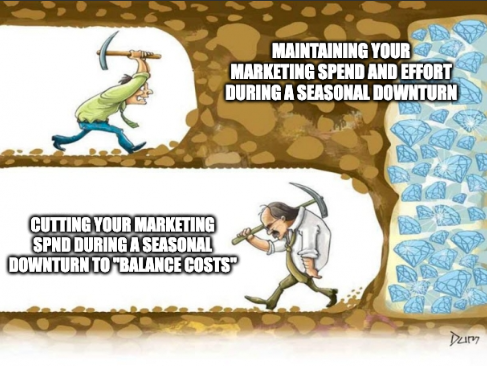
And while lowering marketing spend to compensate for a downturn might seem like a smart idea, cutting back might actually be the worst move you can make when the market slows.
In fact, the smartest builders use these quieter months to strengthen their brand, refine their systems, and position themselves for when demand surges again.
This is because they treat downturns as a setup for their next big season.
At RedPandas, we’ve seen home builders turn seasonal slowdowns into lead-generation opportunities by leaning on smarter paid strategies, better HubSpot visibility, and consistent brand presence.
This article will show you how to do the same. You’ll learn where to focus your marketing energy, how to keep your sales pipeline healthy, and how to measure success when conversions naturally dip.
Understanding the Seasonal Cycles in Home Building
Every home builder knows the rhythm: enquiry spikes in spring and early summer, then a steady taper as the year winds down.
But what often gets overlooked is that these cycles aren’t random. They’re driven by predictable consumer behaviour and external forces you can plan for.
See, families usually don’t want to start construction in winter. Interest rate shifts, holidays, and school terms all play a part in delaying major decisions.
All elements of human timing.
What this means is that “quiet seasons” aren’t empty; they’re simply different seasons of intent. This means that your market might shift its focus depending on the season.
And for this incoming downturn, they’re researching, comparing, dreaming. They’re scrolling Pinterest boards and reading reviews.
They’re warming up for their next big move.
Recognising this overlooked perspective can make a significant difference in your company’s long-term gains.
Instead of chasing conversions that aren’t ready to happen, your goal in these months is to stay visible, relevant, and trustworthy.
When you start seeing downturns this way, you can plan your marketing calendar around buyer intent instead of just lead volume. That shift alone separates the builders who stumble every off-season from the ones who grow consistently year after year.


How To Set Up HubSpot Lead Scoring to Improve Sales Efficiency
3 Reasons Cutting Marketing Spend in Downturns Might Be a Mistake
When enquiries slow, the instinct is to tighten the purse strings. After all, why spend money on marketing when there aren’t many leads to convert?
But in reality, pulling back during a downturn can be a strategic misstep with serious consequences. Here’s why:
1. Attention Is Cheaper When Competitors Go Quiet

In a busy market, every builder is fighting for a slice of attention.
But when the season slows, many businesses scale back their marketing efforts.
This creates an opportunity for those who are willing to continue pushing forward.
Let’s say it’s late autumn, and the market’s slowing down. Your competitors might pull back on their Facebook and Google Ads, thinking there’s no point in advertising when buyers are few and far between.
Because of this, the cost per click (CPC) on your ads could drop. And this means you can now acquire clicks and impressions at a fraction of the cost you’d pay in peak season.
The seasonal downturn is your chance to capture market share while attention is cheaper.
With less competition in the advertising space, you could potentially dominate searches for terms like “best home builders in [city]” or “custom home ideas” for a much lower cost. Even if fewer people are searching, you can still get a better return on your spend in the long run.

Can You Scale Paid Media With a Limited Budget?
2. Trust Compounds, But Only If You Keep Showing Up

Home building is a big decision.
People don’t build or buy homes on a whim… especially in off-seasons when they’re not ready to break ground just yet.
Trust is earned over time, and this trust compounds the longer you stay visible. If you pause your marketing just because the phone isn’t ringing as much, you risk losing the progress you’ve made in building your brand awareness.
Imagine you’ve been running Facebook ads or Instagram posts showing off recent builds, happy clients, and your industry expertise. Over several months, potential leads have gotten to know your brand and feel comfortable reaching out when they’re ready.
If you go silent during a quiet season, you risk your audience forgetting about you. Or worse, they might find a competitor who stayed visible instead.
3. You Lose Momentum, Not Just Leads
Marketing is more like a machine than a light switch.
The longer you run consistent campaigns, whether it’s paid ads, SEO, or organic content, the more data and momentum you build.
When you pull the plug too early, however, you disrupt this momentum… which can cost you far more in the long run.
Think about a Meta campaign that’s been running for months, gathering data and optimising its reach.
When you pause that campaign, it stops learning. This means when you start again, the algorithm has to re-learn who your best customers are, what time they engage, and which ads perform best.
At that point, you’re starting from scratch again, and it may take weeks before the campaign gains traction again.
It’s the same with SEO. If you stop publishing blog content or optimising your website during quieter months, your search rankings can drop.
Google’s algorithm rewards consistency: the longer you keep your website active, the more authority you build. When you go dark, it’s harder to regain that rank and authority once you start again.

Here’s How Marketing for Construction Companies Is Different From Other Industries
A seasonal downturn isn’t the time to go dark. It’s the time to reallocate, refine, and reinforce.
Shift your focus from volume to efficiency by optimising your targeting, content, and nurturing systems so your brand stays active and efficient until the market rebounds.
3 Smart Strategies for Off-Season Home Builder Marketing
As much as seasonal downturns may feel like a marketing vacuum, they actually offer prime opportunities to build a bigger gap between you and your competitors.
The key is to use this time wisely and implement strategies that keep your home building brand visible and top-of-mind until the market rebounds. And here are a few strategies to capitalise on the opportunities ahead:
1. Build Brand Equity When Others Disappear
You might be tempted to dial back your content output, assuming people aren’t ready to buy a seasonal downturn.
But, in reality, this is a golden opportunity to build brand awareness.
Home buyers need to know you exist before they can trust you with their biggest investment. The longer your audience stays unaware of your brand, the harder it becomes to engage them when they’re ready to act.
Staying visible now means you’re building trust for when demand picks up.
Here are a few ways you can build brand equity during a seasonal downturn and reap the rewards:
- Social Media Storytelling: Share behind-the-scenes footage of your work process, client testimonials, or “Before and After” stories of your projects. These humanise your brand and connect on a personal level.
- Video Content: Use video tours of your homes, updates on local housing trends, or design inspiration that’s relatable to your audience. Video is proven to capture attention and increase engagement.
- Blog Posts and Articles: Create content that helps educate your audience, such as “Top Design Trends for the Coming Year” or “What to Expect When Building a Home in [Your Area]”. These types of posts help establish you as a trusted thought leader.

How to Align Your B2B Content Marketing Strategy with Your Sales Goals
2. Nurture Leads with Value, Not Pressure
During slow seasons, you’re unlikely to convert cold leads into customers. But this doesn’t mean you should stop engaging them.
Instead, focus on providing value instead of pressuring them to buy right away.
With a steady stream of relevant content, you can keep prospects engaged and prime them for a sale when the time is right. Following through with value means you’re showing that you care about educating them through their buying journey rather than just chasing a quick sale.
This helps build rapport and keeps you in their consideration set for when they’re ready to move forward.
Now, remember that not all leads are equal: some could be worth engaging with and providing value to more than others.
By using HubSpot’s lead scoring and segmentation tools, you can identify which leads are most engaged and tailor your nurturing strategy accordingly. You might send a different message to someone who’s shown interest in home designs versus someone interested in price estimates.
Once you’ve segmented your contact list, you can nurture handpicked leads with:
- Email Workflows: Set up automated email sequences to educate leads on topics like design inspiration, building tips, or home financing. You can create segmented email campaigns based on where the leads are in their journey.
- Lead Magnets: Offer valuable content that leads can access for free, such as a homebuilding guide, checklists, or even a video walkthrough. These assets should be positioned as resources to help, not sell.
- Webinars or Live Q&A Sessions: Host virtual events where you can walk leads through the home-building process, answer their questions in real-time, and showcase your expertise. This gives potential customers direct access to you while positioning your company as the go-to authority in your area.

What is the Average Lead Close Rate for B2C & B2B Per Industry in Australia?
3. Refine Your Paid Media Targeting
You might be tempted to pause all paid media during a downturn, but that’s a missed opportunity.
The secret here is to adjust your targeting to ensure you’re getting the most out of your spend, even when buyer intent is lower.
When buyers aren’t actively searching for your services, it’s still possible to engage them through informative, soft-sell content and fine-tuned paid media campaigns. By adjusting your focus, you can drive engagement without the immediate pressure of generating leads or sales.
During slow months, we recommend shifting your focus from conversion campaigns to engagement campaigns that nurture leads. The idea is to attract and educate people who aren’t yet ready to buy, but could become prospects when the market picks back up.
Here are a few ways you can refine your paid media targeting and build momentum during a seasonal downturn:
- Engagement Campaigns: Run Facebook or Instagram ads that promote your content. These campaigns often cost less to run but help you keep your brand in front of your audience.
- Lead Gen Ads: Create ads with a clear call to action (CTA) like “Download our Free Home Design Planning Guide”. These help build a list of warm leads that can be nurtured through your CRM.
- Targeting Adjustments: Use lookalike audiences, and retargeting strategies to engage people who have previously interacted with your content but haven’t converted yet.
How to Improve Lead Quality from Your Paid Media Efforts
These refined strategies are designed to keep your brand visible and your sales pipeline moving, even when demand slows down.
Aligning Marketing and Sales Through Your CRM for Better ROI Tracking
When leads slow down, every conversation counts. Yet for many home builders, marketing and sales still operate in silos: marketing hands off leads, sales chases them (or doesn’t), and no one quite knows what happened in between.
In a downturn, that gap gets expensive. But aligning your sales and marketing through your CRM can deliver the opposite effect:
1. Your CRM is the bridge, not the archive
HubSpot, or whichever CRM you use, shouldn’t just store data: it should drive action.
During slower months, audit how your team is using it:
- Are lead statuses being updated correctly?
- Are automated follow-ups running as intended?
- Are your dashboards showing where deals stall?
Fixing those basics now means when volume returns, your systems can scale instead of scramble.
2. Connect marketing activity to revenue
This is the season to dig into attribution.
Link your paid campaigns, website forms, and email workflows directly to closed deals. When you can say, “This ad campaign generated X dollars,” you protect your budget from the next round of cuts.
HubSpot’s campaign and deal attribution tools make that visibility possible, but only if your sales team consistently updates deal stages and contact records.
3. Improve lead quality through shared feedback
Your sales team knows exactly which types of leads go cold fastest. Marketing needs that intel to refine targeting and messaging.
Schedule short cross-team reviews to discuss what’s converting and what’s not. Even a 30-minute monthly check-in can save thousands in wasted ad spend.

Is HubSpot Right for My Business? Here’s How to Tell
When marketing and sales act as one unit, your ROI becomes provable. And in slower markets, proof is power.
Turn Your Downturn Into a Competitive Advantage
The home builder market will always cycle: that’s the one constant factor in home building.
But the difference between the brands that shrink and the ones that thrive isn’t which of them can predict the next dip.
It’s those who use the downtime to prepare.
This is your season to get strategic. While competitors go quiet, you’ve got space to refine your systems, build your audience, and own more digital ground for less cost.
Wait, and you’ll pay double later to regain that same attention.
If you’re serious about staying visible and profitable through the off-season, start with your foundation: your CRM, your paid strategy, and your nurture systems.
Because when those align, downturns become launch pads.
So, when the market wakes back up, you’re not starting from zero. You’re already front of mind as the home builder who stayed steady when everyone else went silent.

Are Paid Ads Worth It When Marketing for Construction Companies?
About the Author




Get the best content marketing insights right in your inbox!
Subscribe to our Newsletter and get marketing insights delivered to your inbox every week.