









How to Implement Design Thinking in Your Marketing Strategy: A Step-by-Step Guide

What if the secret to marketing that truly connects with your audience isn’t about spending more, but about thinking differently? How often do you find yourself recycling the same ideas, hoping something will stick? If you’re tired of campaigns that fall flat or miss the mark, you’re asking the right questions.
Design thinking offers a fresh approach — a way to put your customer at the heart of every decision and spark creativity that leads to real results. But how do you take this big idea and turn it into a practical marketing strategy you can actually use?
This guide will walk you through exactly how to implement design thinking in your marketing, step by step, so you can stop guessing and start creating campaigns that resonate.
What is Design Thinking?
Design thinking is a way of solving problems by focusing on the people you’re trying to serve. Instead of guessing what your customers want, you start by really understanding their needs, frustrations, and behaviours.
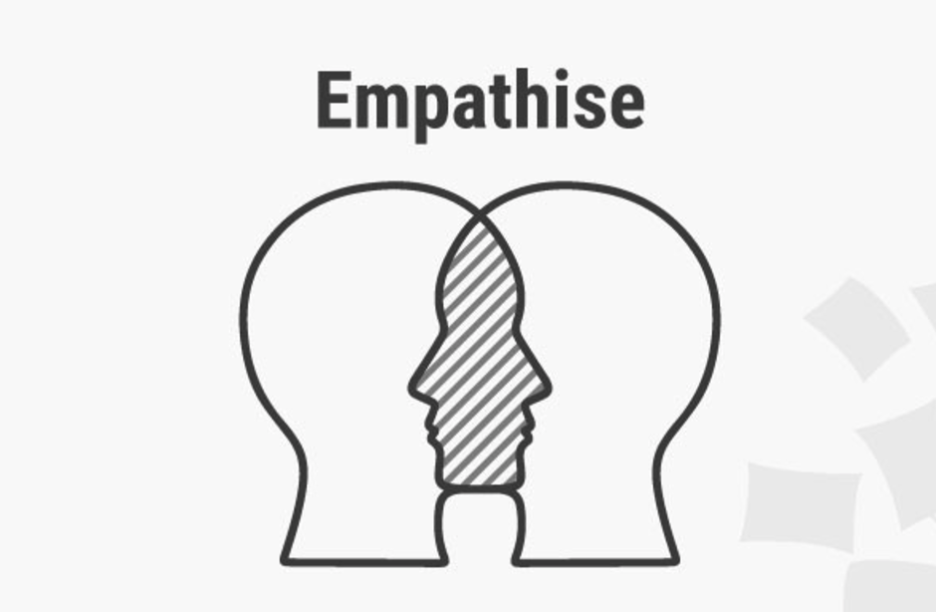
It’s about being curious, creative, and testing ideas quickly to see what works.
In marketing, design thinking means shifting from simply pushing messages to truly empathising with your audience. It encourages you to explore fresh ideas, prototype campaigns, and learn from feedback before fully launching. This approach helps you create marketing strategies that feel relevant, engaging, and customer-centred.
The process usually breaks down into five phases: Empathise, Define, Ideate, Prototype, and Test. Each phase guides you through thinking differently — not just what to sell, but how to solve problems your customers actually have.
Step-by-Step Guide to Implementing Design Thinking in Your Marketing Strategy
Here’s what each step looks like in practice when using the Design Thinking process:
- Empathise: This is where you get to know your customers on a personal level. You might conduct interviews, surveys, or observe how they interact with your product or service. The goal is to discover their pain points, desires, and what motivates their decisions. For example, a marketer might find that customers feel overwhelmed by too many options and want clearer guidance.
- Define: Using the insights from the first phase, you clearly articulate the problem you want to solve. Instead of a vague goal like “increase sales,” you might define it as “help customers choose the right product easily to reduce confusion and frustration.” This sharp focus guides your marketing efforts.
- Ideate: Now it’s time to brainstorm solutions. You gather your team to come up with as many ideas as possible — no idea is too wild. In marketing, this could mean exploring new messaging angles, campaign formats, or channels. For example, ideas might range from creating a simple product comparison guide to launching a live Q&A session.
- Prototype: Pick a few promising ideas and create low-cost, quick versions to test. In marketing, this might be a draft social media post, a landing page mock-up, or a short video. The goal is to bring ideas to life quickly without investing too much time or money.
- Test: Share your prototypes with a small group of customers or team members and gather feedback. Are they clear, engaging, and solving the problem you identified? Based on this, you refine your ideas or pivot if needed. This phase helps you avoid costly mistakes and improve your campaigns before full launch.
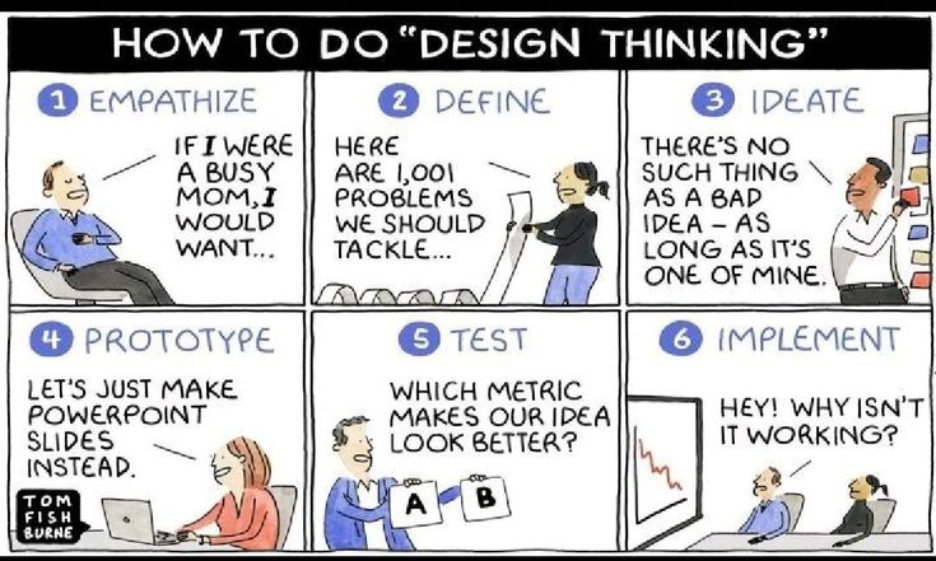
By working through these steps, design thinking helps you create marketing strategies that really connect because they’re built on a deep understanding of your audience — not assumptions.
Why Use Design Thinking in Marketing?
You might wonder, why bother with design thinking when marketing already has plenty of strategies and tools? The answer is simple: design thinking puts your customer front and centre in a way that traditional marketing often misses.
Here’s why design thinking matters for your marketing strategy:
- It helps you truly understand your customers. Instead of guessing or relying on assumptions, you base your marketing decisions on real insights about what your audience wants and needs.
- It sparks creativity and innovation. By encouraging brainstorming and rapid testing, design thinking breaks you out of the usual marketing rut and helps you find fresh, effective ideas.
- It reduces risk. Testing ideas early with prototypes means you avoid investing heavily in campaigns that might fail, saving time and budget.
- It creates campaigns that connect emotionally. When you understand your customers deeply, your marketing messages resonate better, driving engagement and loyalty.
- It’s adaptable to any size or type of business. Whether you’re a solo marketer or part of a large team, design thinking can fit into your existing workflow and help improve your results.
Many marketers struggle because their campaigns feel generic or disconnected from their audience’s real problems. Design thinking helps fix that by making empathy and experimentation part of your everyday marketing.
Common Pitfalls to Avoid in Design Thinking
Even the best intentions can stumble when attempting to use design thinking.
Watch out for these traps:
- Skipping the empathy phase: Jumping straight to solutions without understanding customers leads to irrelevant marketing.
- Fear of failure: Design thinking encourages experimentation, but some teams hesitate to test ideas that might not work. Embrace failure as a learning step.
- Overcomplicating the process: Keep prototypes simple and testing quick. Don’t get bogged down trying to perfect ideas before getting feedback.
- Ignoring feedback: Gathering input is pointless if you don’t act on it. Be ready to pivot or scrap ideas based on what customers tell you.
- Not involving enough voices: Relying only on marketing’s perspective limits creativity. Include different roles and even customers in the process.
So, What’s Next?
Implementing design thinking in your marketing strategy doesn’t have to be complicated. By focusing on your customers, defining clear problems, brainstorming creatively, and testing quickly, you can create campaigns that truly connect and deliver results.
Start small, be open to learning, and remember that design thinking is a mindset — one that helps you stay curious and customer-centred in everything you do.
Next, learn about the five most important qualities you should develop as a marketer.


5 Most Important Qualities to Look for in a Marketer




Get the best content marketing insights right in your inbox!
Subscribe to our Newsletter and get marketing insights delivered to your inbox every week.