
Related Posts



Podcasts




Stop me if you’ve heard this one before: You’re in the final stages of a deal, you’ve answered every question, tackled every objection, and yet somehow the prospect still won’t commit. It’s frustrating, isn’t it? It feels like you’re almost there but keep hitting a wall. This is a common challenge. Closing deals is one of the toughest parts of sales, and many sales teams struggle with knowing exactly how to seal the deal without sounding pushy or desperate.
We’ve worked with sales teams facing this exact problem, and the good news is there’s a simple, powerful question that can often break the stalemate and nudge prospects toward saying yes. It’s straightforward, easy to remember, and when used correctly, it can completely change how sales conversations end.
In this article, you’ll learn what this one question is, how to ask it naturally, and why it’s so effective at closing more deals. You’ll also get tips on handling the prospect’s response, even if it’s not what you expect. By the end, you’ll have a secret weapon to use the next time you’re stuck in a deal that just won’t close.
The One Question Explained: What It Is and Why It Works
The one question every salesperson should ask to close more deals is simple:
“What’s stopping us from moving forward today?”
At first glance, it might seem straightforward, or even a bit direct, but that’s exactly why it works. This question cuts through polite small talk and uncovers any hidden objections or concerns the prospect hasn’t yet voiced.
Sometimes prospects hesitate because of unspoken doubts or unresolved issues that haven’t come up in conversation. Asking this question invites honesty and gives you a chance to address those concerns before they kill the deal.
It also shows confidence and a genuine interest in understanding the prospect’s needs. Instead of pushing for a decision, you’re opening the door for a transparent conversation. This builds trust, which is crucial in closing sales.
When asked at the right moment, this question can turn a stalled deal into a clear path forward, or reveal if there’s a genuine reason not to proceed, saving time and effort on both sides.


How to implement the 9-word email in your sales strategy
When and How to Ask It: Timing and Phrasing Tips
Knowing when and how to ask, “What’s stopping us from moving forward today?” is just as important as asking the question itself.
Timing
The best time to ask is once you’ve covered the main points, which includes:
- You’ve answered questions, addressed objections, and explained the value clearly
- You’ve found and made them aware of their compelling reason to buy (in other words, both you and the prospect should be super clear on why it’s important that they buy, and that they do it now)
- You’ve discovered their success factors, that is, what needs to be true for them to be happy by the end of the project
- You’ve understood what needs to happen from there internally or if there are any sort of barriers
Only when you’ve addressed all of the above should you ask the question to maximise your chances of success.
This usually happens towards the end of your conversation or meeting, when it feels like things should be wrapping up. Asking too early can come off as pushy, but waiting until you’ve fully explored the prospect’s needs makes the question feel natural and timely.
Also, depending on what you’re selling, it might make sense to run a discovery phase first addressing all of the above mentioned points, and then in a second call (or at the end of the discovery) asking that question.

Why Your Sales Reps Aren’t Hitting Their Targets & How to Fix It
Phrasing

While the exact wording matters, it’s more about the tone and approach. The question should feel curious and open, not aggressive or demanding. For example, say it like this:
- “Before we finish, can I ask—what’s stopping us from moving forward today?”
- “Is there anything holding you back from making a decision today?”
Using “we” and “us” makes it inclusive, showing you’re in this together. Keep your tone friendly and calm, inviting honesty without pressure.
Handling Reactions: What to Do If the Prospect Hesitates or Pushes Back
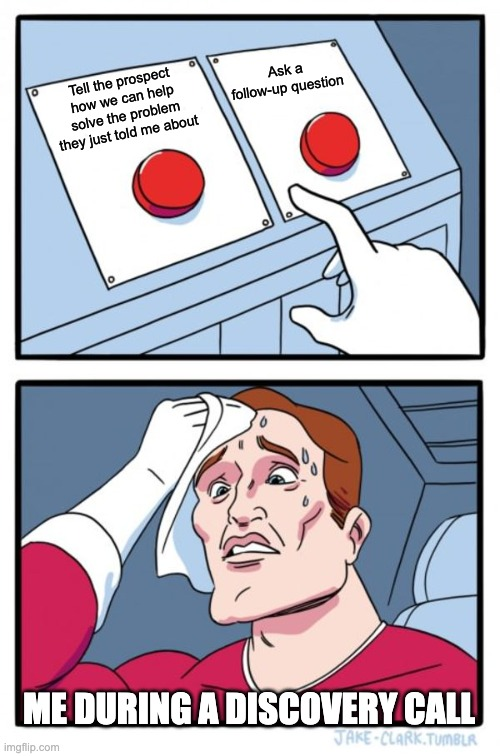
When you ask, “What’s stopping us from moving forward today?” some prospects might hesitate, deflect, or even push back. This is normal, and how you respond can make all the difference.
What to do if the prospect hesitates
If the prospect hesitates, give them a moment to think. Silence can feel uncomfortable, but it often encourages honesty. You can gently follow up with something like:
“I want to make sure we’re addressing everything important to you before moving forward.”
What to do if the prospect pushes back or seems defensive
If the prospect pushes back or seems defensive, stay calm and avoid getting defensive yourself. Acknowledge their feelings and reassure them:
“I want to understand if there’s anything we haven’t covered yet.”
Sometimes, the answer might be a genuine barrier like budget, timing, or decision-maker availability. Knowing this early allows you to tailor your next steps or decide if it’s best to pause the conversation.
Remember, this question isn’t about pressure, it’s about clarity. How you handle the response builds trust and keeps the dialogue open, even if the answer isn’t an immediate yes.
How This One Question Can Become Your Secret Weapon
Closing deals doesn’t have to feel like a guessing game. By asking, “What’s stopping us from moving forward today?” you gain clarity, uncover hidden objections, and show your prospect that you’re committed to addressing their concerns—not just pushing for a sale.
This simple question can transform your sales conversations, helping you close more deals and build stronger relationships along the way. It’s easy to remember, quick to ask, and incredibly effective.
Next time you find yourself stuck at the finish line, try this question. It might just become your secret weapon for closing deals faster and with more confidence.
Next, learn how you can make your sales process more profitable by utilising buyer decision points.

How Can I Make My Sales Process More Profitable With Buyer Decision Points?