
Related Posts




Podcasts




Are you tired of constantly adjusting your pricing strategy without seeing any real results? Do you struggle with finding the right balance between affordability and profitability? You’re not alone. Many business owners struggle with finding the perfect pricing model for their products or services. But what if I told you that there’s a secret to effective pricing?
Picture this: You’re running a successful business, but you’re constantly battling with low profits. You’ve tried different pricing models, but nothing seems to work. Sound familiar? That was the story of countless business owners, until they discovered the secret to effective pricing.
In this blog, we’ll dive into the different types of pricing models and the three things that are killing your pricing strategy. But most importantly, we’ll uncover the secret to effective pricing that will change the game for your business. Get ready to say goodbye to pricing headaches and hello to increased profits and satisfied customers.
We’re going to cover:
Different Types of Pricing Models
There’s no one-size-fits-all answer to what constitutes a good pricing strategy, as the right approach depends on a variety of factors such as the target market, competition, the value proposition of your product or service, and more. However, some of the most effective pricing strategies include:
- Cost-plus pricing
- Value-based pricing
- Premium pricing
- Penetration pricing
- Dynamic pricing
- Bundle pricing
Cost-plus pricing
This involves adding a markup to the cost of production to determine the final price of a product or service. It’s a straightforward approach that takes into account the cost of materials, labour, and overhead.
The pros of cost-plus pricing include:
- Simple to calculate: Cost-plus pricing is straightforward and easy to understand. All you need to do is add a markup to the cost of production to determine the final price.
- Transparent: This approach makes it clear to both the business and the customer what is included in the price, which can help build trust.
- Minimal risk: Because cost-plus pricing is based on the cost of production, there’s minimal risk of setting prices that are too low or too high.
The cons of cost-plus pricing include:
- Doesn’t take into account market conditions: Cost-plus pricing doesn’t take into account market conditions, such as competition and customer demand, which could lead to prices that are out of step with the market.
- May not reflect the value of the product: By focusing on the cost of production, cost-plus pricing may not accurately reflect the value of a product or service to the customer.
Value-based pricing
This approach sets prices based on the perceived value of a product or service to the customer, rather than the cost of production. This method takes into account factors such as the quality of the product, its unique features, and the target market’s willingness to pay. Value-based pricing is a great model to use for service-based businesses.
The pros of value-based pricing include:
- Reflects the value of the product or service: By setting prices based on the perceived value of a product or service to the customer, value-based pricing helps ensure that customers are paying a fair price for the value they receive.
- Encourages innovation: By focusing on value rather than cost, value-based pricing can encourage businesses to innovate and create new, high-value products.
- Helps build a premium brand: By charging premium prices for high-value products, value-based pricing can help build a premium brand that customers are willing to pay more for.
The cons of value-based pricing include:
- Can be difficult to determine value: Determining the value of a product or service can be challenging, as it often involves subjective factors like quality, brand reputation, and customer preferences. Communicating this to customers may also prove to be difficult.
- Can result in lower sales: If prices are set too high, customers may be less likely to buy, which could result in lower sales and revenue.
Premium pricing

This strategy involves setting high prices for a product or service to reflect its superior quality, exclusivity, or brand image. It’s often used for luxury or high-end products or services.
The pros of premium pricing include:
- High profit margins: By setting high prices, premium pricing can result in high profit margins, even with lower sales volume.
- Helps build a premium brand: Setting high prices for high-quality, luxury products can help build a premium brand that customers are willing to pay more for.
- Attracts premium customers: By setting high prices, premium pricing can attract premium customers who are willing to pay more for high-quality products.
The cons of premium pricing include:
- May result in lower sales volume: Because premium pricing sets high prices, it may result in lower sales volume, as not all customers are willing to pay premium prices.
- Can be difficult to maintain: Maintaining a premium brand and premium prices requires consistent investment in product quality, marketing, and customer service, offsetting the profit from the premium prices in the first place.
- May not take into account market conditions: Premium pricing may not take into account market conditions, such as competition and customer demand, which could result in prices that are out of step with the market.
Penetration pricing

This approach involves setting a low initial price to quickly gain market share and attract customers. It’s often used by businesses that are just starting out or introducing a new product. This is a great strategy to use for software products. In fact, ChatGPT used this exact strategy, releasing the product to market for free, and then, after gaining millions of users, offering a premium version of the product for a small price.
The pros of penetration pricing include:
- Market entry: Penetration pricing can help a business enter a new market by offering lower prices to attract customers and build market share.
- Increased market share: This pricing strategy is often used to gain market share quickly and can be effective in capturing a significant portion of the market.
- Increased volume: Offering lower prices can increase the volume of sales which means more sales revenue.
The cons of penetration pricing include:
- Reduced profit margins: The low prices associated with penetration pricing can result in reduced profit margins, especially in the short term.
- Brand perception: Low prices can impact the perception of the brand, leading to a lower perceived value and potentially undermining the brand’s image. In ChatGPT’s case, the price they offered for the premium version was $20 per month. Considering it was previously only free to use, having a second option for a low price like $20 per month seems acceptable. However, what if ChatGPT wanted to charge $99 per month? Moving from a free version to that may prove to be difficult as brand perceived value has already been set.
- Price sensitivity: Penetration pricing can create price sensitivity in the market, which can be difficult to change if the company needs to raise prices in the future.
Dynamic pricing
This strategy involves adjusting prices based on demand and market conditions. For example, prices may be higher during peak periods or when demand is high and lower during slow periods or when demand is low.

The pros of dynamic pricing include:
- Flexibility: Dynamic pricing allows businesses to adjust prices in real-time, based on market demand and other factors.
- Increased profitability: By adjusting prices based on market demand, businesses can optimise their pricing for maximum profitability.
- Customer engagement: Dynamic pricing can create a more engaging and dynamic shopping experience for customers, leading to increased customer satisfaction and loyalty.
The cons of dynamic pricing include:
- Complexity: Dynamic pricing can be complex and difficult to implement, requiring significant resources and expertise.
- Price discrimination: Dynamic pricing can lead to price discrimination, where different customers are charged different prices for the same product or service.
- Reduced customer trust: Dynamic pricing can lead to reduced customer trust, as customers may feel that they are being charged more than they should be.
- Dynamic pricing often requires a large investment into IT infrastructure to support data inputs to give market-based pricing.
Bundle pricing
This approach involves offering several products or services at a discounted price as a bundle. It’s often used to increase sales and provide added value to customers.
The pros of bundle pricing include:
- Increased value: Bundle pricing can offer customers increased value by combining products or services at a lower price than if purchased separately.
- Increased sales: Bundle pricing can increase sales by providing customers with a perceived value, encouraging them to purchase more products or services.
The cons of bundle pricing include:
- Reduced profit margins: Bundle pricing can result in reduced profit margins, as the business may need to sell products or services at a lower price in order to create the bundle.
- Inflexibility: Bundle pricing can be inflexible, making it difficult to adjust prices in response to market demands or changing customer needs.
- Confusing pricing structure: Bundle pricing can create a confusing pricing structure, making it difficult for customers to understand the value they are receiving.
These are just a few examples of effective pricing strategies. The key to success is to find the strategy that aligns with your business goals, target market, and overall value proposition. It’s also important to continually assess and adjust your pricing strategy as market conditions and customer preferences change over time.
Three Things Killing Your Pricing Strategy
Now that we’ve gone over a primer on pricing strategy, let’s cover three things that could be costing you money in your pricing strategy:
- Too many options
- Not sharing pricing on your website at all
- Pricing is too low
Too Many Options

Offering too many options can be overwhelming to a buyer, leading to a phenomenon known as the paradox of choice. This can result in indecision, frustration, and ultimately, a loss of sales. To overcome this, consider segmenting your options into three or four categories and using pricing tools and quizzes to help your customers make an informed decision.
No Choice or Not Sharing Pricing on Your Website
Not sharing pricing information on your website can be just as detrimental as offering too many options. Customers want to know what they’re paying for and often won’t engage with a business that doesn’t provide that information. If your pricing is complicated, at least address the factors that impact the price, such as taxes, shipping, and any other relevant costs. This way, customers have a better understanding of what they’re paying for and can make an informed decision.
Pricing Your Product or Service Too Low
One of the biggest mistakes a business can make is pricing their product or service too low. While it may seem like a good idea to offer lower prices to attract customers, it can reduce the perception of quality and lead to lower profit margins.
To avoid this, ask clients at the proposal stage if they would be willing to commit to a 5-minute debrief discussion if they decide not to go with your business. This can give you valuable insight into why they didn’t choose your product or service and help you adjust your pricing accordingly.
It’s essential to carefully consider your pricing strategy and regularly assess and adjust it to ensure profitability and competitiveness. By avoiding the mistakes outlined in this article, you’ll be on your way to a more successful and profitable business.
The “Secret” to Effective Pricing: Transparent Pricing = Trust
Effective pricing isn’t just about choosing the right pricing strategy and avoiding the pricing mistakes mentioned above. Instead, effective pricing comes back to becoming the most trusted advisor in your industry for your buyer.
By addressing all the factors that buyers have in the research journey – even the early stages that are not product focused – you galvanize trust with the person you’re helping educate.
I want you to think about the last time you went online to research a product or service before you made a purchase. At any point in your research, did you ask how much that thing costs? If you’re like the majority of buyers out there, it’s likely that you did.
But I bet at some point you were on a company’s website looking for information about costs but couldn’t find clear answers. And when you didn’t find clear answers, how did you feel about that company?
You probably felt frustrated, because you were aware that they knew their prices and were choosing not to share it with you. This frustration may have turned into a loss of trust in that company, and you probably didn’t buy from them.
Today, so many consumers experience the same thing because businesses refuse to share their prices on their website. Generally speaking, businesses who refuse to share this information say one of three things:
- Our products and services are custom-designed for individual situations
- Our competitors would know what we’re charging
- We might scare prospects away before we can explain the costs to them
Let’s take a look at each of these.
Our products and services are custom-designed for individual situations…
While every project you do may be different, and many factors might influence the final cost resulting in varying prices, you STILL need to explain this to your potential buyer to build trust.
See the thing is Google (to rank) and buyers (to purchase) don’t necessarily need a price list, all they want is a discussion of the factors that impact price. If the answer to what is your price is ‘it depends’, go into detail what that means.
Moby Siddique, CEO @RedPandas
Explain the factors that influence price, and at the very least, give them a price range or a “our prices start from” statement.
Our competitors would know what we’re charging…
Let me ask you a question: do you know what your competitors are charging? You probably just said something along the lines of ‘I have an idea of what my competitors charge, sure.
If you’ve been around then with very little research you should have an idea of what your competitors are charging.
My point is that if you know what your competitors are charging already, doesn’t it make sense that they probably know what you’re charging? And if they already know what you’re charging, does it really make a difference whether or not you put your prices on the website?
Why would you let your competitors get in the way of you being the most trusted and transparent voice in your industry?
It might scare away prospects…
If you are open about your pricing and someone walks away because they can’t afford you, then all you’ve lost is a lead that you were going to waste time on trying to close but who was going to walk anyway.
In other words, if you put pricing on your website, you actually attract the right customers and drive away those that aren’t best suited to working with you. This saves you time by helping you qualify or disqualify potential buyers early on.
On top of this, even if they can’t afford you, this honesty builds trust, which turns them into an advocate for your brand and helps you get more sales in the long run, because people want to do business with businesses that they can trust.
Remember, in the absence of value people will compare you on price. So, your job isn’t just to transparently share your price (or pricing range) but also do so with demonstrated value. Here’s an example of how we do this.
Examples of Cost Articles
- RedPandas Pricing Page
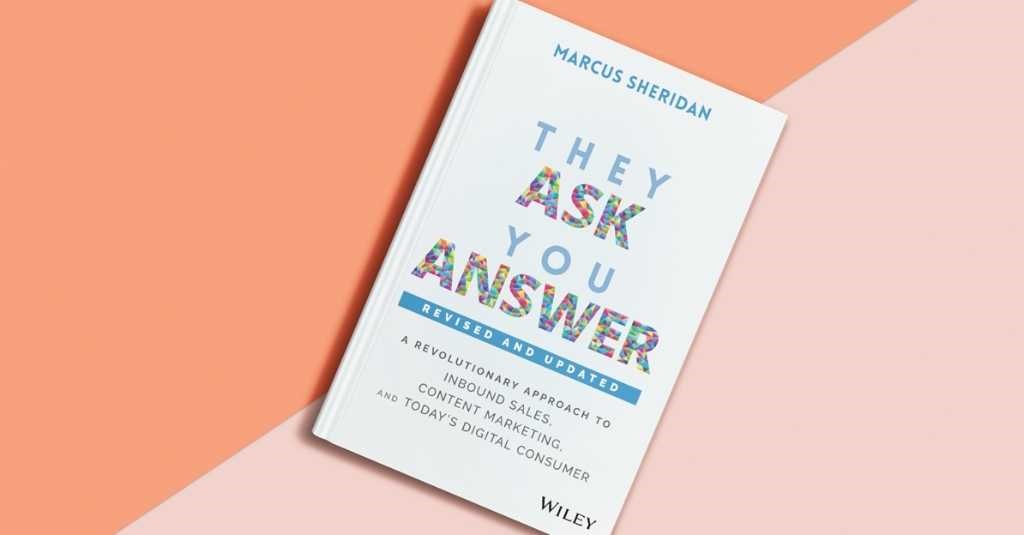
- The Cost of a They Ask, You Answer Coaching Program
- HubSpot Pricing 2022 Package Comparison
So, what’s next?
Pricing is a critical component of any successful business strategy. It is important to understand the different types of pricing models, identify the factors that may be hindering your pricing strategy, and ultimately, discover the secret to effective pricing.
By following the tips outlined in this article, you will be able to develop a pricing strategy that is tailored to your business needs and ensures long-term success. Whether you are just starting out or looking to revamp your current pricing strategy, remember that the secret to effective pricing lies in being transparent around your pricing.
If you liked this article, you might be interested in some of these articles: