









How to Stop Losing Deals That Say ‘Come Back in a Few Months’

They said “come back in a few months.”
You nodded, updated the CRM, and set a reminder to follow up.
Then… silence.
No reply. No movement. The deal slowly drifted into the abyss of Closed-Lost.
Sound familiar?
This is one of the most frustrating patterns for sales leaders: your reps do everything right, build strong rapport, and get this close, only for the deal to stall on a soft delay.
No outright no.
No firm yes.
Just… “later.”
Here’s the hard truth: “come back later” is usually a polite way of saying, “This isn’t urgent, and we’ve already moved on.”
But that doesn’t mean the deal is dead. It just means you need a better strategy.
As a sales leader, you can’t let your team keep losing deals to slow decay. You need plays that help reps raise the stakes, stay relevant, and structure follow-ups that actually go somewhere, without sounding pushy or desperate.
In this article, you’ll learn how to:
- Spot the signs that a deal is slipping
- Shift from passive follow-ups to value-led nudges
- Teach your reps to create urgency without pressure
- Embed this into your sales process for better close rates
Why ‘Come Back Later’ Usually Means ‘No’

Most reps hear “come back in a few months” and treat it like a delayed yes. But in reality? It’s usually a soft no, just one that feels less awkward to say.
Buyers rarely want to shut the door completely. Saying “not now” leaves them an easy out — no confrontation, no hard decision.
But unless something fundamentally changes in those few months, you’re not magically going to be top of mind when they’re ready.
Here’s why these deals really stall:
- The Stakes Weren’t High Enough: If your solution isn’t tied to a critical problem or upcoming deadline, it’s easy for the buyer to deprioritise. They don’t feel enough pain to act now and they’re not convinced of what they’re missing by waiting.
- There’s No Urgency Driver: People act when they feel pressure, from time, risk, or opportunity. “Come back later” means they don’t feel any of that. No trigger, no timeline, no reason to move.
- Your Value Didn’t Stick: If they don’t have a clear mental picture of how their world gets better with your solution, it fades fast. Especially if other priorities come up internally.
- You Lost Control of the Process: When you accept “later” without setting a clear, value-led next step, you hand over the steering wheel. Now you’re hoping they remember you, and hoping isn’t a strategy.
Raising the Stakes Without Pushing

One of the biggest mistakes reps make when a buyer says, “Let’s revisit this in a few months,” is going silent, or worse, simply setting a calendar reminder and waiting.
In reality, this is the moment where you have the most power to influence how the buyer thinks between now and that future conversation.
You’re not trying to force a decision. You’re helping the buyer realise that waiting has a cost, and that there’s a real opportunity slipping through their fingers.
Here’s how to raise the stakes without ever sounding pushy.
1. Highlight the Cost of Inaction
If there’s no downside to waiting, why would they act?
Most buyers don’t fully understand what they’re missing by not moving forward, because you haven’t made it tangible. So instead of pressing for a decision, frame the impact of not deciding in practical, relatable terms.
Example approach: “Just so you have a full picture, here’s what similar teams using HubSpot are already automating this year. These are areas where HubSpot users typically lag behind.”
This reframes the delay as a risk, without threatening them. You’re showing them what others are achieving, and gently asking them to consider what staying still is costing them in efficiency, insights, or growth.
Why it works: It shifts their mindset from “we can wait” to “what are we missing by waiting?” That small internal shift is what creates momentum later.
2. Create a Benchmark or Gap Scorecard
Buyers often don’t feel urgency because the pain isn’t visible enough. So help them see it. Offer a simple comparison that highlights where their current tools or process fall short, without attacking them or the status quo.
Here’s an example of how Impact Plus use a scorecard to help buyers benchmark themselves:
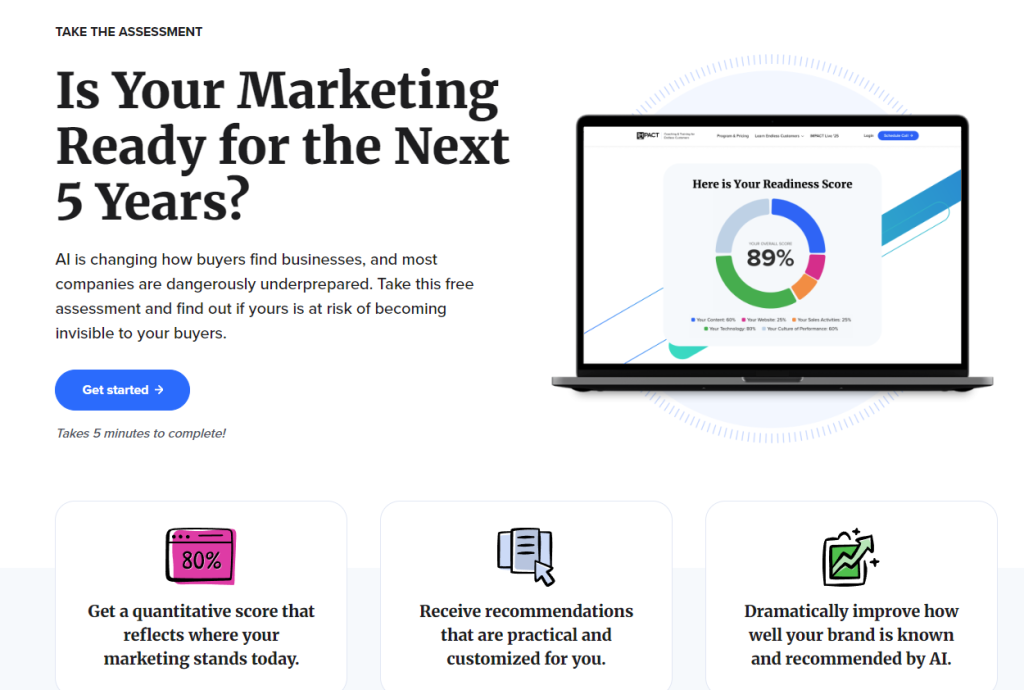
This puts the spotlight on measurable gaps and once those gaps are seen, they can’t be unseen. It’s not a push. It’s a decision support tool.
Why it works: You’re giving them internal ammo to start a real conversation with their team. It also subtly positions you as a trusted guide, not a vendor, who’s helping them make a smart, informed call when the time comes.
3. Paint the Future State
Many buyers delay because the value feels abstract. They might like what you offer, but they can’t see themselves in that future, at least not clearly enough to feel urgency.
This is where you need to show them a picture of what their world could look like if they move forward and anchor it to a realistic timeline.
Example approach: “I put together a quick one-pager showing what your onboarding and customer journey could look like if we rolled out HubSpot. It’s helpful for visualising what changes when and what your team could be seeing by next quarter.”
This is a soft nudge, but it plants a powerful seed: progress is possible, and the timeline isn’t as distant as it feels.
Why it works: People are much more likely to act on a decision when they can visualise the outcome. This gives them that clarity and makes the current situation feel more outdated in comparison.
You’re not chasing the buyer. You’re showing them that waiting has weight. You’re giving them reasons to think, to reflect, and to keep you in mind, not just as a vendor, but as a partner they trust to guide their decision.
The goal here isn’t to close early. It’s to create mental stickiness so that when the timing is right, you’re already in pole position.
What if raising the stakes doesn’t work, and the prospect still wants to wait a couple months? Well, that’s where staying top of mind is important. But there’s a right way to do it, and a wrong way.


The Best Sales Enablement Tools
Staying Top of Mind During the Wait

Once a prospect says, “Let’s pick this back up in a few months,” most reps either go quiet or follow up with a generic “just checking in” email three months later.
Neither works.
You don’t want to be forgotten, but you also don’t want to become that rep who keeps pestering them without adding value.
The goal during this in-between period is to stay visible and useful, so when the time comes to re-engage, you’re already top of mind, and they see you as a trusted advisor, not just another seller.
Here’s how to do that.
1. Send Light, Value-Driven Touches, Monthly at Most
One thoughtful touchpoint a month is enough to keep the relationship warm without overwhelming them.
But the key is this: every message should feel like it was sent with purpose.
Only send something if it directly relates to a pain point or topic you already discussed.
For example, you could send something like this:
- A blog post or case study about a challenge they mentioned: “Saw this article on how marketing teams are saving 10+ hours a week with automated lead routing — thought of your team’s current setup.”
- A new product feature or update that addresses something they were hesitant about: “Remember that reporting limitation you flagged? HubSpot just rolled out a fix, quick overview attached.”
Why it works: These aren’t sales emails, they’re value nudges. They reinforce that you remember what matters to them, and you’re still thinking about how to help.
2. Offer to Benchmark Their Current Performance
This is an excellent way to re-engage without “checking in.”
You could offer to review their current performance metrics and show how they compare to industry averages or similar teams using your platform.
Example message: “If helpful, I can benchmark your email engagement rates and pipeline tracking against similar teams using HubSpot, giving you a clearer view ahead of renewal.”
Why it works: It frames the follow-up as a service, not a pitch. You’re helping them make a smarter decision down the line, not asking them to buy now.
3. Use Short Looms or Micro-Demos for Relevance
Instead of sending another email, send a 2–3 minute Loom video walking through a specific feature or use case that matches their world.
Example: “Quick video showing how one of our clients set up pipeline views for their team, super relevant to the issue you mentioned around reporting gaps.”
Why it works: It’s visual, personal, and specific. It shows effort, and it’s easier to digest than a long email.
4. Invite Them to Relevant Events (Not Everything)
If you’re hosting a webinar, roundtable, or event that genuinely aligns with their interests, invite them. But don’t blanket-send every invite you get from marketing.
Tailor it, for example: “You mentioned interest in simplifying onboarding. This session is focused on how scale-ups are automating the first 30 days. Thought of you.”
Why it works: It keeps you in their world, as someone who gets them and filters for their benefit.
During the wait, your job isn’t to push. It’s to prove relevance and consistency.
Every touchpoint is a chance to show:
- You listened
- You care
- You haven’t forgotten them
- You’re still the right choice, just waiting for the right moment

Why Your Sales Material & Calls Aren’t Working + How to Fix it
Structuring Follow-Ups That Actually Stick
So, now you know how to raise the stakes and how to provide value driven follow ups if the prospect forces the wait.
One more thing you’ll want to do is structure the next follow up conversation.
If you leave the next step vague, you’re essentially handing the deal over to luck. And luck rarely closes deals.
The best sales reps treat follow-ups as an opportunity to strengthen control of the process, not just to circle back.
Here’s how to structure follow-ups so they actually lead somewhere.
1. Schedule a Placeholder on the Spot
Don’t wait for the buyer to get back to you in a few months. Lock in a placeholder meeting right there and then, even if it’s just tentative.
What to say: “Let’s pop a quick 20-minute slot in the diary now. Totally fine if we need to move it later, but it saves us scrambling to find time in a few months.”
Why it works: It gives the next step a concrete anchor. Even if they reschedule, the commitment is made and you’re not starting from zero again later.
2. Frame the Future Meeting as an Evaluation Moment
Don’t let the next call be “just a catch-up.” Give it a clear purpose tied to their priorities, especially if there’s a contract renewal or project deadline coming up.
What to say: “Since your ACT renewal is a natural point to reassess tools, I’ll prep a side-by-side comparison of ACT vs HubSpot — so you have clear data when you’re making that decision.”
Why it works: It positions you as helpful and strategic, not just following up for your own benefit. You’re giving them something useful for their internal decision-making.
3. Assign a Light Prep Task
This one works incredibly well and most reps don’t do it. Give the buyer something small to prepare before the next call. This builds investment and keeps the pain points front of mind.
What to say: “Between now and then, it’d be great if you could list the top 3 frustrations your team has with ACT, so I can tailor the demo to exactly what matters.”
Why it works: It shifts the dynamic from passive to active. The buyer is now thinking about their problems again, which is exactly what you want before your next touchpoint.
4. Send a Recap That Reinforces Value
After the call, send a short email that summarises:
- What they said
- What you’ll be doing next
- Why the next conversation will be worth their time
“Come back later” doesn’t have to mean “deal lost.” But only if you set the next step with clarity, purpose, and mutual benefit.
The more structure you create now, the easier it is to re-enter that conversation later, with momentum already built in.
Win the Deal Before You Come Back
When a prospect says, “Come back in a few months,” the default response is to wait.
But waiting isn’t a strategy and it’s certainly not a close plan.
The reps who consistently win aren’t the ones who push harder. They’re the ones who:
- Raise the stakes by showing what’s at risk
- Stay visible with thoughtful, pain-point-specific touches
- And structure their follow-ups like decision-making checkpoints, not calendar reminders
As a sales leader, your role is to turn these into habits. Coach your team to see “come back later” as a test and give them the tools to pass it.
Because the deal isn’t won when you follow up. It’s won in how you set up the follow-up.
Next, learn the best sales strategies to close more deals virtually.




Get the best content marketing insights right in your inbox!
Subscribe to our Newsletter and get marketing insights delivered to your inbox every week.