








How to Write High Converting Website Copy

You’re staring at a blank page, trying to write your website copy, or maybe you’ve already written it and you’re wondering why it’s not working.
Either way, you’re stuck.
You’re trying to sound professional, credible, maybe even a little impressive. So naturally, you start writing about your services, your team, your story. After all, isn’t that what people want to know?
Not exactly.
Here’s the uncomfortable truth: most website copy fails because it talks too much about the business and not enough about the buyer.
Whether you’ve already written your site or you’re starting from scratch, this one mindset shift can change everything.
You don’t need to be a brilliant writer. You just need to flip the focus, from what you do to why it matters to them.
In this article, you’ll learn how to write high-converting website copy by shifting the spotlight off your business… and onto your buyer.
Why Your Website Isn’t Converting
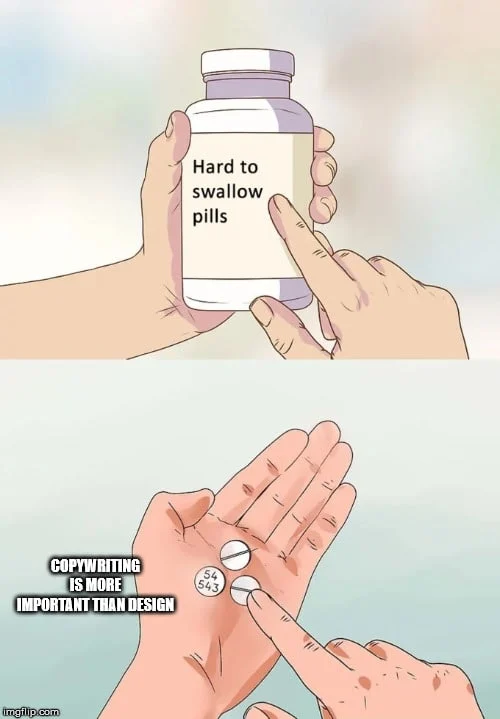
Most websites don’t fail because of bad design or a lack of traffic.
They fail because the message misses the mark.
When someone lands on your website, they’re asking themselves one simple question:
“Can this help me?”
But what they usually find is a homepage that says things like:
- “We’re a family-owned business with 15 years of experience.”
- “We offer high-quality solutions tailored to your needs.”
- “Our team is passionate about excellence.”
That’s not answering their question. That’s talking about you.
And while your story might matter later, right now, your visitor doesn’t care. They’re looking for someone who understands their problem and can solve it. Fast.
If your copy doesn’t speak directly to what they want or need, they’ll leave. No second chance. No scroll-down. No conversion.
So whether you’re writing copy for the first time or trying to fix what’s already live, the issue usually comes down to this:
You’re writing what you want to say, not what they need to hear.
The fix? Stop trying to prove yourself. Start showing that you get them. You’ll learn how to do that later in this article.
The Anatomy of a Learning Centre that Generates Revenue on Your Website
The 80/20 Rule for Website Copy
Here’s a simple rule that will instantly improve your messaging:
80% of your website copy should be about your buyer. Only 20% should be about you.
That might feel backwards. After all, it’s your website, right?
But think of it like this: your visitor doesn’t care who you are, until they know you understand them.
They want to see:
- That you get what they’re struggling with.
- That you’ve helped people like them before.
- That you can solve their problem, quickly and clearly.
That’s what builds trust… not your backstory.
So how do you apply the 80/20 rule?
Here’s what 80% of your copy should focus on:
- The pain points your buyer is facing
- The results they want
- The questions or objections they might have
- The outcomes they can expect if they work with you
And the remaining 20%?
That’s where you briefly explain who you are, but always tie it back to why it matters to them.
This small shift in balance makes a huge difference. Because when your website starts sounding like it was written for your buyer, they’re far more likely to take action.
The Danger of “We” Language
If your website copy feels off, start by checking how many sentences begin with “we.”
- “We are passionate about…”
- “We specialise in…”
- “We believe in…”
- “We help clients by…”
This type of language makes your business the main character and that’s exactly why your copy might not be connecting.
Your visitors aren’t looking for a business that talks about itself. They’re looking for someone who understands them, speaks their language, and shows that they can help.
When your copy leads with “we,” it shifts the focus away from the buyer and puts it on you. It turns what could be a helpful, relevant message into a self-centred one.
What to do instead
Shift the focus. Make your buyer the subject wherever possible.
Here are a few examples of how that sounds in practice:
- Instead of: “We offer expert financial advice.”
- Say: “Get clear financial guidance to make confident decisions.”
- Instead of: “We’re proud of our fast response times.”
- Say: “Get the answers you need, when you need them.”
This isn’t about banning the word “we”, it’s about using it intentionally, not automatically.
When you reduce “we” statements and write from your buyer’s point of view, your copy instantly becomes more engaging and more effective.
Make Your Copy Buyer-Focused
This is where most people trip up: they explain what they do, but not why it matters to the buyer.
It’s a subtle but critical distinction.
Let’s say you’re a website designer. A typical line might be: “We design and build responsive websites for small businesses.”
That tells us what you do. But it doesn’t answer the real question in your visitor’s mind: “How does this help me?”
But if you flip it like this: “Get a website that looks great on any device and helps your customers take action.”
Same service. Completely different message, because now it’s focused on the outcome the buyer wants, not just the service you offer.
Here’s how to shift your copy into that buyer-focused zone:
1. Start with their pain or goal
What’s frustrating your buyer right now? What result are they trying to get?
2. Connect your service directly to that outcome
Don’t just say what you offer, say why it matters to them. Focus on the impact it will have on the customer’s life, business etc.
3. Use language they actually use
Skip the jargon. Use words and phrases your customers would actually say when describing their problem.
The more your copy sounds like something they’d say or think, the more likely they are to trust that you understand them.
This shift doesn’t just make your copy better. It makes it more believable. Because when people feel understood, they’re far more likely to take action.
If you want to learn more about the process of writing buyer-focused copy, check out our guide on Storybrand.
Clarity Beats Cleverness
It’s tempting to want your website copy to sound clever, witty, or “on brand.” But if your message isn’t crystal clear, none of that matters.
Clever copy might win you compliments. Clear copy wins you conversions.
If your visitor has to pause to figure out what you actually do, or what you’re trying to say, you’ve already lost them.
Here’s a simple test: Read your homepage headline out loud to someone who doesn’t know your business. If they say, “So what exactly do you do?”, it’s not clear enough.
What clarity looks like in practice:
- Avoid vague words like “solutions,” “services,” or “innovative.”
- Say exactly what you offer and how it helps.
- Use short sentences. Be direct. Don’t try to sound impressive, aim to be understood.
Example:
- Instead of: “Innovative solutions tailored to your unique business needs.”
- Say: “Get expert bookkeeping that keeps your finances organised and frees up your time.”
Your goal isn’t to impress, it’s to connect. And nothing connects faster than plain, specific language that makes the reader say, “That’s exactly what I need.”
Rethink Your ‘About Us’ Page
The “About” page is often where businesses really start talking about themselves and lose the reader in the process.
It turns into a timeline of how the business started, a list of team achievements, or a deep dive into company values.
But here’s the thing: Your buyer didn’t come to your site to read your autobiography. They came to see if you can help them.
That means even your “About” page should be written with the buyer in mind.
What to do instead
Yes, talk about who you are, but always connect it back to why that matters for the person reading.
For example:
- Instead of: “We were founded in 2012 by two friends with a shared vision for innovation…”
- Try: “Since 2012, we’ve helped hundreds of small business owners streamline their operations so they can focus on growth, not admin.”
You’re still telling your story, but now it’s tied to the outcome your buyer cares about.
A simple structure to follow:
- Start with who you help and what problem you solve
- Then explain how you got here, briefly
- Close with why that matters to them
The goal isn’t to remove personality, it’s to make sure every sentence earns its place by staying relevant to your audience.

Best Practices for Contact Us Pages on Your Website
Don’t Forget the Big 5
Even if your copy is buyer-focused, you can still lose people if you avoid the questions they’re really asking. That’s where the Big 5 comes in.
These are the five topics buyers almost always research before they make a decision:
- Cost – How much does it cost?
- Problems – What could go wrong, or what are the drawbacks?
- Comparisons – How does this compare to alternatives?
- Best-of lists – What’s the best option out there?
- Reviews – What do other people think?
If your website doesn’t touch on these, your visitors will look elsewhere and usually land on a competitor’s site that answers them.
That doesn’t mean you have to write an essay on each point, but you should address them honestly and clearly.
For example:
- If you don’t talk about cost, buyers might assume you’re expensive.
- If you ignore common problems or objections, buyers may not trust you.
- If you don’t mention competitors, buyers will compare anyway, just not with your input.
Covering the Big 5 shows transparency, builds trust, lets you control the narrative and helps people feel confident moving forward with you. And at the end of the day, trust is the key ingredient of all sales.
FAQs (Frequently Asked Questions)
1. Shouldn’t I talk about my business so people trust me?
Yes, but sparingly. Trust isn’t built by talking about yourself; it’s built by showing you understand your buyer. When you do mention your story, keep it short and tie it back to why it matters to them.
2. What if my industry is very technical?
Even in technical industries, clarity and buyer focus win. You can explain complex details, but always connect them to outcomes. Instead of saying, “We use X methodology,” explain, “This approach means fewer errors and faster results for you.”
3. How long should my website copy be?
There’s no perfect word count. What matters is that your copy clearly addresses the buyer’s problem, explains your solution, builds trust, and guides them to take action. For some, that’s a few concise paragraphs. For others, it’s more detailed.
4. Is it okay to still use ‘we’ in my copy?
Of course. The goal isn’t to ban “we”, it’s to balance it. Use “we” when it highlights something valuable to your buyer. For example: “We guarantee a 24-hour response time so you’re never left waiting.”
5. What’s the easiest way to improve my website copy today?
Do a quick “we” audit. Go through your homepage and count how many sentences start with “we.” Rewrite at least half of them so the focus shifts to “you.” This simple edit can dramatically change how your visitors experience your site.
So, What’s Next?
Your website isn’t converting because your copy is talking to the wrong person… you.
Whether you’ve already written your site or you’re just starting, the most important shift you can make is this: Stop centering your business. Start centering your buyer.
Here’s a quick recap of how to do that:
- Use the 80/20 rule — 80% of your copy should be about them, not you
- Cut back “we” language — make your reader the subject of the story
- Focus on outcomes, not services — show how your offer improves their life
- Be clear, not clever — write like a real person, using real words
- Rethink your About page — still about you, but always relevant to them
You don’t need to be a brilliant writer to write high-converting website copy. You just need to shift your focus.
When your visitors feel seen, understood, and spoken to, that’s when they start clicking, booking, buying.
About the Author





Get the best content marketing insights right in your inbox!
Subscribe to our Newsletter and get marketing insights delivered to your inbox every week.