









4 HubSpot Alternatives: The Ultimate Features Comparison Guide

Key Takeaways
- HubSpot alternatives ranked: HubSpot, ActiveCampaign, Pardot, Wishpond, and Infusionsoft, in that order of overall performance
- ActiveCampaign is the closest rival to HubSpot for ease of use, with a comparable visual workflow builder and a strong drag-and-drop email editor
- Pardot integrates tightly with Salesforce, making it the strongest pick if your business already runs on that CRM
- Wishpond stands out for social media contests and sweepstakes, but it lacks a built-in CRM
- Infusionsoft offers solid e-commerce functionality, though many users find it hard to learn and costly to set up
- Landing pages are a gap for ActiveCampaign, which has no native builder and relies on integrations like Unbounce
- HubSpot remains the top choice overall for ease of use, workflow automation, and social media management
Quick Answer
The best HubSpot alternatives in 2026 are ActiveCampaign (best value for email automation), Keap (best for small e-commerce businesses), Salesforce Account Engagement (best for Salesforce users) and Wishpond (best for contests and promotions). HubSpot still ranks first overall for teams that want marketing, sales and service on one platform.
We tested each platform’s workflows, email builder, landing pages and social tools in August 2026. Pricing checked 2026 October.
Full disclosure: RedPandas is a HubSpot Diamond Partner. We ranked these tools based on how they performed in our testing, and we’ll tell you when an alternative is a better fit.
What would HubSpot actually cost you? Get an estimate in AUD for your team size and hubs in under 2 minutes:


Find Out How Much You'll Pay With This Free HubSpot Pricing Calculator
The main HubSpot alternatives and competitors in 2026 are ActiveCampaign, Keap, Salesforce Account Engagement and Wishpond, with Zoho, Pipedrive and GoHighLevel worth a look for smaller teams.
The best HubSpot alternative for you depends on what you actually need: Keap (formerly Infusionsoft) if you want e-commerce and CRM bundled together, ActiveCampaign if you want the closest all-round rival to HubSpot’s automation at a lower price, Salesforce Account Engagement (formerly Pardot) if you’re already running Salesforce, and Wishpond if social contests and lead capture matter more to you than a full CRM.
None of the four matches HubSpot’s all-in-one polish outright; each wins on a specific trade-off of price, ease of use, or a standout feature, which we break down below.
Before taking the plunge on HubSpot’s marketing automation suite, a genuine four-figure-a-month commitment once you’re on its Professional or Enterprise tier (see our full HubSpot pricing breakdown for exact current tiers), you’ve likely asked yourself, ‘What are the HubSpot alternatives out there?’
It may also be a budget question: what cheaper alternatives exist?
Even if you are already sold on HubSpot, as a Marketing Manager or Business Owner, you need to be able to justify why HubSpot, above all other alternatives, is the technology stack you’re about to join at the hip with.
There are a bunch of really good articles out there comparing or listing HubSpot alternatives. We’ve also covered 3 more options in a shorter roundup here.
In this guide, we do a deep-dive comparison of the day-to-day features of 4 of the most popular options: Keap (formerly Infusionsoft), ActiveCampaign, Salesforce Account Engagement (formerly Pardot), and Wishpond.
Before we dive straight into it, let’s rewind a little and talk about why you’d even bother with marketing automation to begin with.
Quick Comparison: HubSpot vs. the Alternatives at a Glance
| Tool | Best for | Standout feature | Starting price | CRM included |
| Keap (formerly Infusionsoft) | Service businesses wanting e-commerce + CRM in one | Built-in checkout, quotes and invoicing | From AUD $357/month billed annually (AUD $429 billed monthly) | Yes |
| Wishpond | Bootstrapped teams running contests and lead capture | Social contest and promotion builder | Not publicly listed, contact Wishpond for a quote | Limited |
| Salesforce Account Engagement (formerly Pardot) | Teams already running Salesforce CRM | Engagement Studio automation tied to Salesforce data | Contact Salesforce (quote-based) | Via Salesforce |
| ActiveCampaign | Teams that want HubSpot-like automation without the price tag | Visual automation builder plus native landing pages | From AUD $22/month (Starter, billed annually) to AUD $208 (Enterprise) | Yes (core CRM plus paid Pipelines/Sales add-ons) |
| HubSpot | Teams wanting one polished, all-in-one platform | Seamless workflow builder across every hub | Professional from AUD $1,278/month, plus a one-off AUD $4,300 onboarding fee (if you work with HubSpot direct onboarding) | Yes |
AUD prices converted at AUD $1.4355 per US$1 on 19 October 2026. Vendors bill in USD, so check current pricing before buying.
Which HubSpot Alternative Is Best for You?
| If you need… | Best pick | Why |
|---|---|---|
| The cheapest paid alternative | ActiveCampaign | Entry plans cost a fraction of HubSpot Professional, with strong email automation |
| A small-business all-rounder | ActiveCampaign or Keap | ActiveCampaign for email-led teams; Keap if you sell online and need checkout and invoicing |
| To stay in the Salesforce ecosystem | Salesforce Account Engagement | Built for Salesforce CRM users, but steep to learn |
| Contests, giveaways and promotions | Wishpond | The only tool here with a built-in social contest builder |
| Marketing, sales and service in one platform | HubSpot | Still the most complete all-in-one option, if the budget fits |
Why Even Bother With Marketing Automation In the First Place?
Interruption marketing is fast becoming a thing of the past. Forget your customers for a second; you personally have likely built a resistance to being actively ‘sold’ on anything. As consumers, we’d rather do our own research and, when we’re ready, get our questions answered by brands in our consideration set.
For lack of a better analogy, we want to do the poking and not be poked when it comes to shopping around.
To do this, businesses worldwide are adopting inbound marketing. This includes, but is certainly not limited to, providing interesting and helpful content that potential customers are looking for in their own research journey, giving them time to think about it and return for more, getting their contact information, and finally warming the lead down the buyer’s journey to eventually close the deal.
To do this right, you need tools. No man, woman or child has the time or psychic ability to drip-feed content at the right time or have visibility around what the prospect is interested in.
If content is the fuel, a marketing automation tool is the vehicle. It is the vehicle that will help you do inbound marketing tactics like blogging, creating personalised landing pages, and, freakishly, automate your marketing by identifying leads, collecting contact info, and sending the right marketing material to warm them up to buy.
The Factors We’ve Measured Our HubSpot Alternatives On
HubSpot is the most popular and well-known platform in the small-to-medium enterprise space, providing inbound marketing software to thousands of companies.
They’re not the only ones on the market. If you’re in your own buyer’s journey, you’ve no doubt wondered how HubSpot stacks up against the competition. For instance, how do HubSpot and its alternatives compare in terms of ease of use, workflows, email building, landing pages, and social media management?
To save you hours of online research and comparison, we’re about to break it down to the basics for you with 4 of the most frequently matched HubSpot alternatives:
- Keap (formerly Infusionsoft)
- Wishpond
- Salesforce Account Engagement (formerly Pardot)
- ActiveCampaign
Alternative 1: Keap (Formerly Infusionsoft)
Infusionsoft rebranded to Keap in January 2019, and the new name has stuck for seven years now, so we’re updating every reference in this article accordingly. What was once the biggest marketing automation suite in the space, and a program that started before HubSpot, many users felt Infusionsoft had fallen behind compared to, say, HubSpot or ActiveCampaign.

Ease of Use
To be completely frank with you, InfusionSoft was called a few names in the automation playground back in the day, with ‘Confusionsoft’ being chief amongst them.
Whilst Keap still has a strong following, many people have found that it takes a long time to get the hang of the software, and setup guidance carries a hefty price tag.
Keap has since moved to a single unified pricing model rather than feature-based tiers, starting at AUD $421/month (USD $299, billed annually), which includes CRM, e-commerce checkout with order bumps, quotes, invoicing and appointment scheduling in every plan. Extra users cost AUD $55/month (USD $39) each beyond the two included licenses.
Workflows / Automation
As far as automation goes, gaining full benefit from its features is possible but requires a long learning curve and can be difficult to master in the short term.
Email Builder
The email builder features for Keap are apt and it does the job, but they haven’t gone out of their way to offer you anything special by way of an email builder.
Landing Page Creator
Keap does feature a landing page and multi-page sales funnel builder, but again it just does the job. Compared to HubSpot, Keap has a stronger focus on e-commerce, and its landing page feature comes in the form of a customisable storefront for your online store.
Social Media
Keap doesn’t feature a social media publisher. From a social media standpoint, the only thing you can do is broadcast emails and publish web forms to your social media followers.

Alternative 2: Wishpond
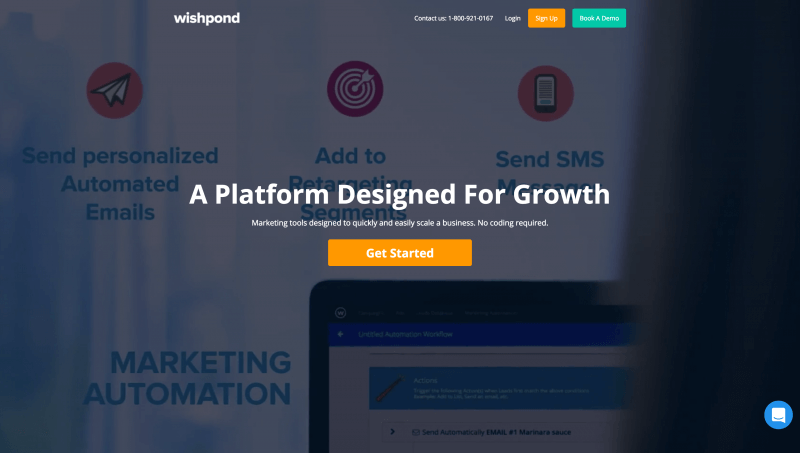
Initially, we were actually really, really excited about this one.
Flaunting almost all of HubSpot’s automation features at a fraction of the cost was supremely compelling. After months of testing it out in the real world, we struggled with its day-to-day ease of use, which brings us to the first factor:
Ease of Use
Wishpond tries hard to be helpful and is a great tool for bootstrapped start-ups with no budget, but many of its features are disconnected from one another and somewhat challenging to navigate. It is still one of the few options without a fully inclusive CRM, and team collaboration tools leave something to be desired if you’ll be working with a team.
Wishpond launched a next-generation platform overhaul called Propel IQ in 2023, and the brand itself is still called Wishpond today (Propel IQ is a product tier within it, not a rename). Wishpond no longer publishes self-serve pricing, so if cost is a deciding factor for you, book a demo or contact their sales team directly for a current quote.
Workflows / Automation
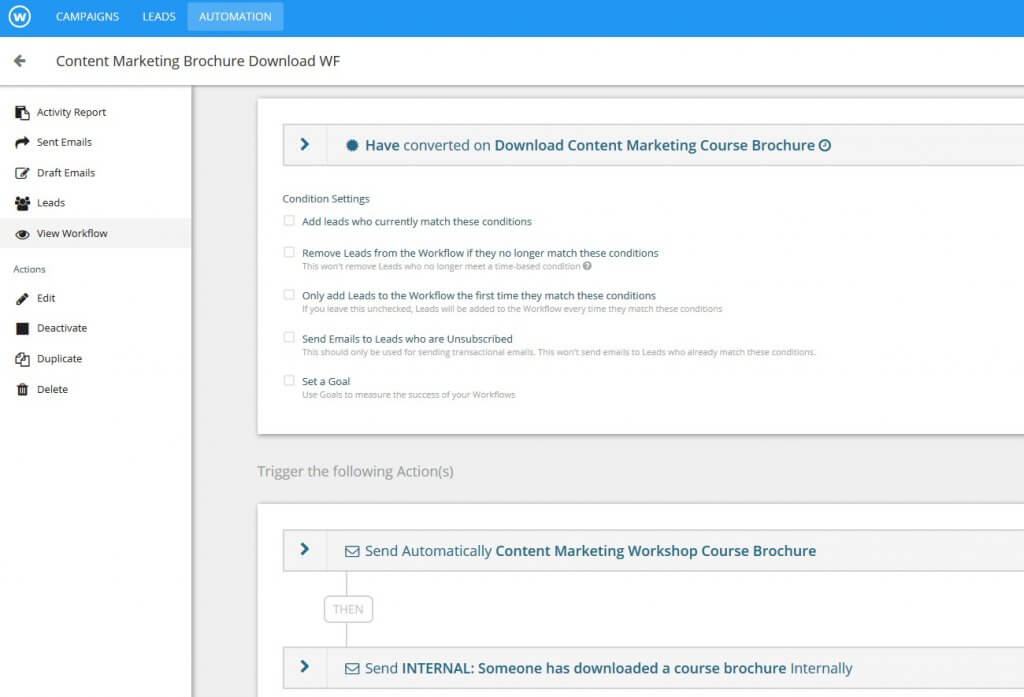
Wishpond’s automation does work, however, the interface makes it harder to follow than HubSpot or Keap, both of which have more visual branching logic cues. It also has a few notable gaps in the feature set that could leave you hanging.
Email Builder
Apart from being harder to navigate through compared to HubSpot, Wishpond actually has a very decent email builder which is slightly easier to use than HubSpot. The free template gallery is good and like HubSpot, provides for personalised emails that integrate with their tagging system with a selection of templates based on certain user traits or actions.
Landing Page Creator
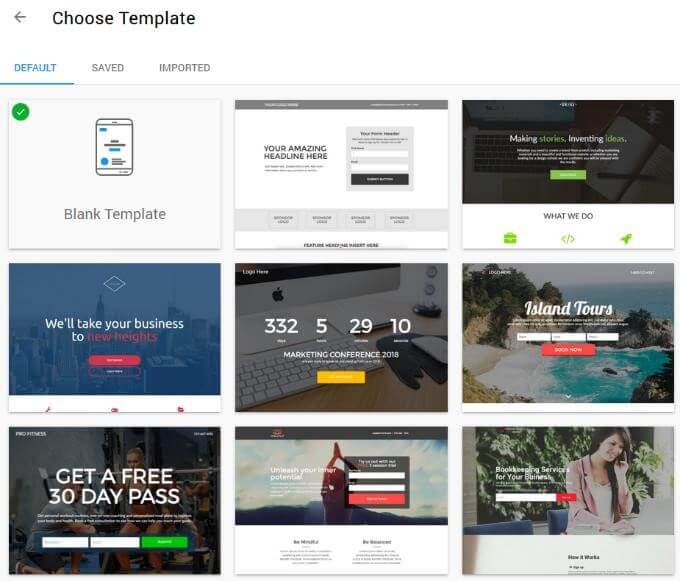
Wishpond is fairly well applauded for its drag and drop landing page builder design making it easy for web design amateurs to put together a great page. It’s not as backend customisable than HubSpot so is best suited for small business.
Social Media
Wishpond is great for social media, which should be no surprise as they were founded and built with the goal of creating a platform for social media contests. If you want to run contests, sweepstakes, or promotion features, Wishpond is your go-to platform and most of its features are geared toward this.
HubSpot vs Wishpond: The Verdict
Choose Wishpond if your marketing is built on promotions, contests and simple landing pages, and you don’t need a full CRM.
Choose HubSpot if you need a CRM, sales pipeline and reporting in the same place as your marketing. Wishpond is easier to get started with, but teams usually outgrow it once sales and marketing need to share data.
Alternative 3: Salesforce Account Engagement (Formerly Pardot)

Salesforce renamed Pardot to ‘Marketing Cloud Account Engagement’ in 2022, a rebrand that’s now been in place for four years, so we’re updating references here too. Pardot was bought by Salesforce in 2013, so as you’d imagine, Account Engagement integrates well with Salesforce, adding decent marketing intel to the CRM.
Ease of Use
As for ease of use, the answer is subjective depending on your history with marketing automation and CRM. If you’re familiar with the Salesforce ecosystem, Account Engagement is the clear winner. Like most Salesforce-associated products, the dashboard is clean and well labelled.
However, for someone completely new to either platform, Account Engagement will appear more technical and take longer to master. It’s also not the ideal platform for anyone new to marketing or for the small to medium business market. There’s a steep learning curve for non-technical users requiring weeks of acclimation before you start getting results.
Workflows / Automation
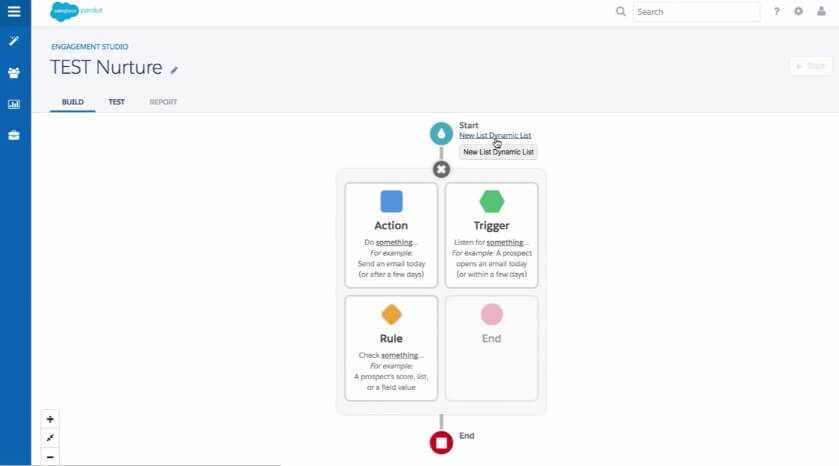
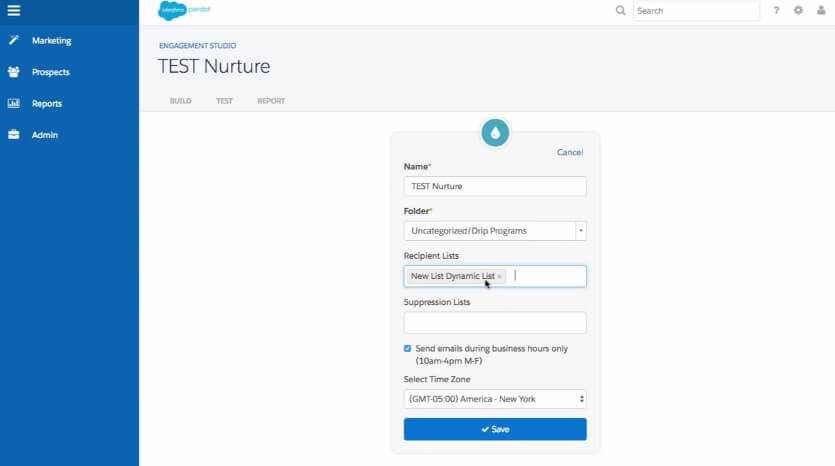
Engagement Studio is where your automation campaigns are created. Like HubSpot, the automation builder is visual with branching logic. In terms of getting a workflow built and out the door, though, it does take slightly longer, with what feels like unnecessary steps of categorising your workflow and figuring out what type of lists you’ll be using.
Again, Account Engagement’s automation power is tied to its smooth integration with Salesforce. If this is your gig, it’s a great choice because it is owned and integrated by Salesforce itself. However, if you don’t need a Salesforce integration, you’re better off looking elsewhere for your marketing automation software.
Email Builder
Pardot’s email builder has a reliable “what you get is what you see” or WYSIWYG design and like InfusionSoft does the job without winning any awards. Pardot does offer 39 email templates which should cover most of your email creation requirements and it also allows you to input your own HTML code to create your own email templates.
Landing Page Creator
The landing page designer is very similar to its WYSIWYG email builder interface, does the job but nothing overly inspiring. A common complaint is it’s hard to build a really good landing page; it can be overly rigid and not user friendly. Many users opt to use a compatible landing page builder like LeadPages and then use Account Engagement forms within it to complete the integration.
Social Media
Being a fairly enterprise-level tool, Account Engagement’s social media scheduling feature is surprisingly comparable to HubSpot, allowing you to schedule posts to Facebook, X (formerly Twitter) and LinkedIn. It also features very useful reports regarding the interaction of your prospects with your social posts.
Alternative 4: ActiveCampaign
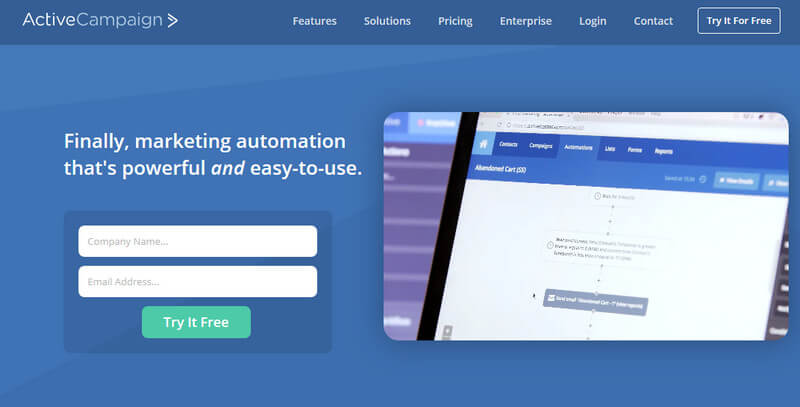
If it isn’t obvious already, ease of use is a very important factor in the world of marketing automation. You can have the most advanced feature set, but if you have to get your staff trained every time they use the thing, you’ll never get anything out the door.
Ease of Use
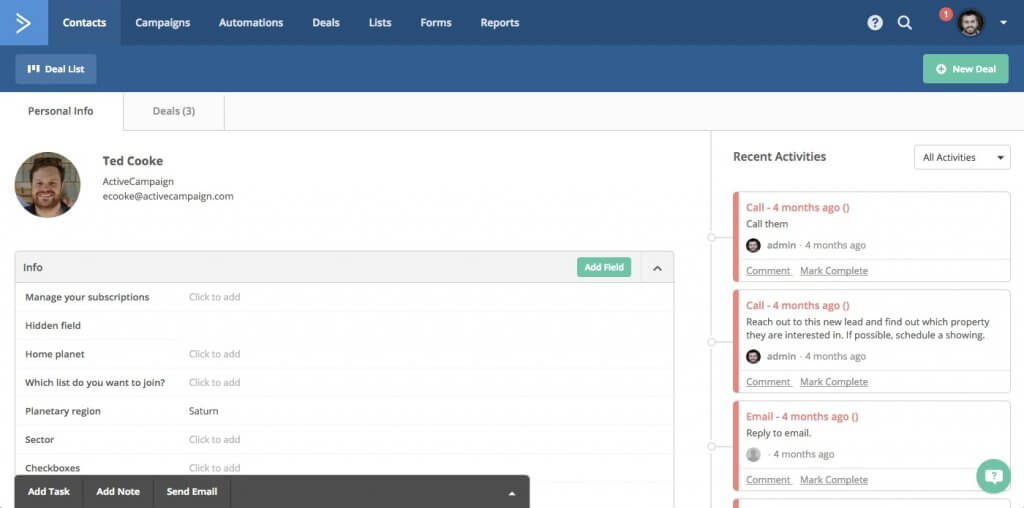
In terms of ease of use, ActiveCampaign is the closest rival to HubSpot. It allows you to run multiple automated campaigns that cover the basics like email and tagging, along with sales productivity management, well and easily. It’s available on several e-commerce platforms and comes with a build-your-own-integration API for custom sites.
Despite not being as widely known as HubSpot, ActiveCampaign has very few complaints in the user interface department and requires little training due to its intuitive design.
Workflows / Automation
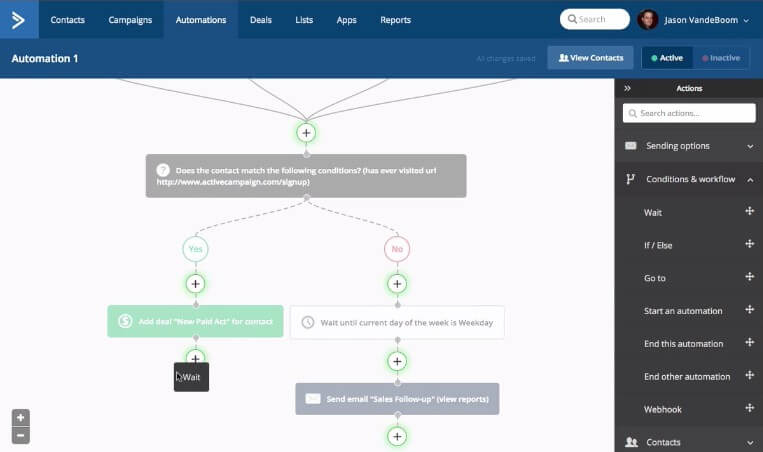
Like HubSpot, ActiveCampaign’s workflow builder is visual, easy to use, and very comparable to HubSpot. It’s evident this is an area ActiveCampaign has invested in heavily to catch up to HubSpot, and they’ve done a great job while they’re at it.
Email Builder
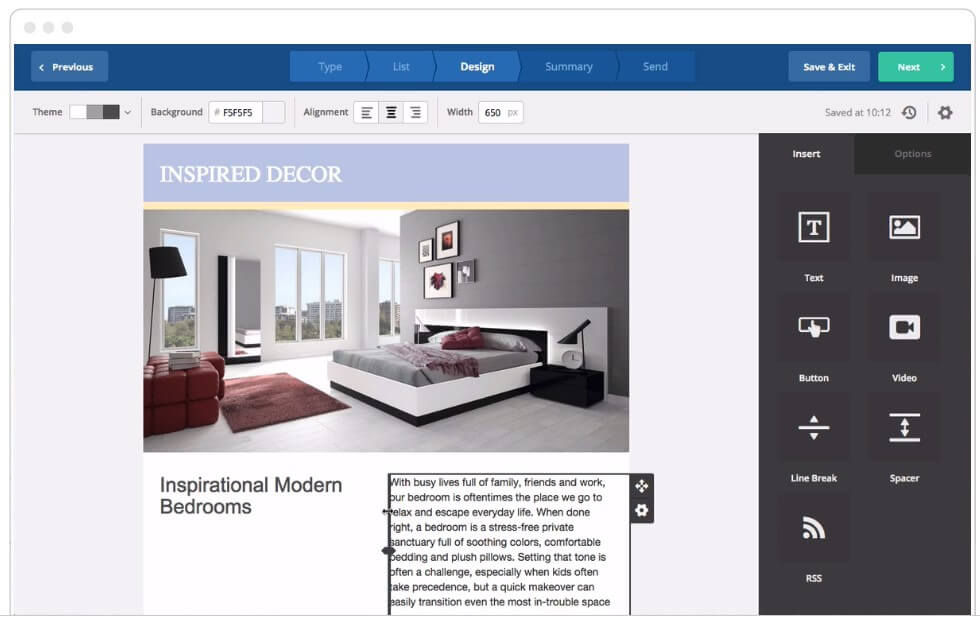
ActiveCampaign was built originally as an email marketing platform, so this is where it shines. While there are only a few starting templates, you can create your own and share them with other users across your own campaigns, making a rich pool of community-created templates.
Landing Page Creator
ActiveCampaign now includes native landing pages as a core capability across every pricing tier, with custom-branded landing pages available on higher plans, so the old workaround of bolting on Unbounce is no longer necessary for most users.
ActiveCampaign has also added CRM depth since our original review: alongside its built-in CRM, there are now paid ‘Pipelines’ and ‘Sales engagement’ add-ons covering pipeline management, deal records and lead scoring. For a fuller side-by-side against HubSpot, Zoho, Pipedrive and Salesforce, see our Australian business guide to HubSpot vs ActiveCampaign, Zoho, Pipedrive and Salesforce.
Social Media
ActiveCampaign features minimal social media features and is sticking to its email marketing guns, with only limited social media integration to share the contents of campaign emails. You’ll have to invest in another third-party system here, like Hootsuite or Buffer.
How HubSpot Compares
To be fair, let’s dive into the HubSpot system itself and review it in the same areas as its classmates.
Ease of Use
The first people notice about HubSpot is how easy it is to use and how well integrated the entire toolset is with itself. It’s often referred to as the ‘Xero of the marketing automation world’ and deservingly so.
Hubspot features a user interface that’s great even for beginners because it’s been built to be dummy-proof for marketers and non-techy types. This makes it easier to use their software and more difficult to make mistakes that throw your whole campaign with a misclick.
Workflows
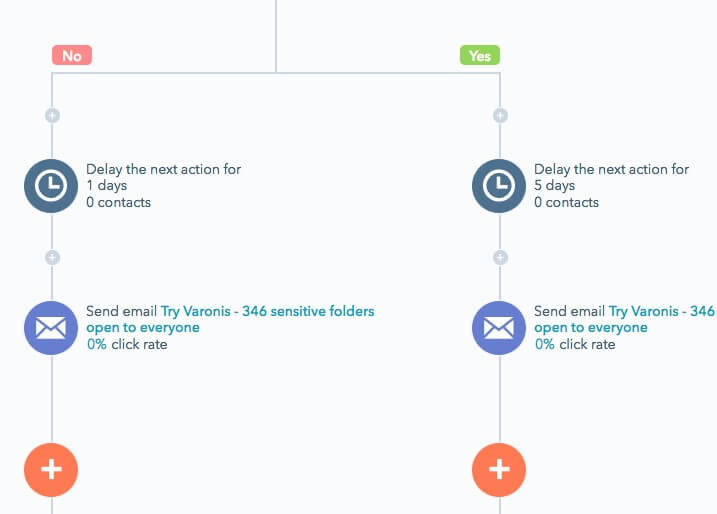
HubSpot’s workflows are without a doubt our favourite feature of the toolset. The seamless flow between a workflow and the ingredients inside of it, say for example emails or landing pages, makes it easy to jump in and out of the system as you build. .
Email Builder
HubSpot offers a wide range of options for building emails, from easy modules to code-heavy customisation. Emails are very easy to create and, once you have templates set up, are quick to populate. Beyond basic email designs, though, you’ll need a technical resource to configure or set up templates.
Landing Page Creator
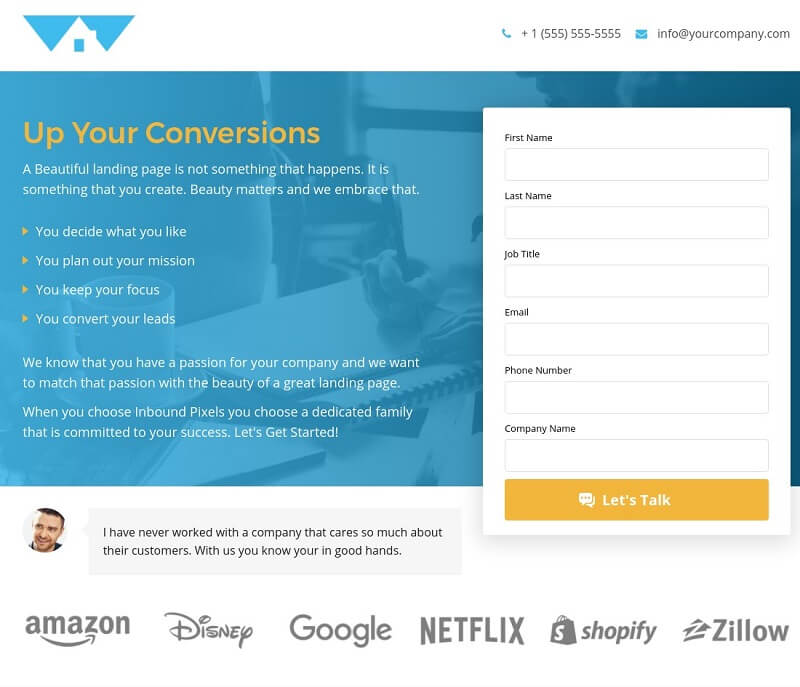
The HubSpot landing page builder is versatile, reliable, and works for many different purposes. Most notably, you have complete HTML/CSS control with excellent keyword integration.
HubSpot’s marketplace for landing pages is also growing at a phenomenal rate, and there are plenty of bespoke HubSpot agencies now, like RedPandas, that can code native HubSpot landing pages for you.
You can also add Facebook pixels and Google Analytics tracking, so your Facebook and Google Analytics data flows seamlessly.
Social Media
HubSpot doesn’t have a social competition builder like Wishpond, but it more than makes up for it with its constantly improving social media publishing tool, a mini Hootsuite built into HubSpot. It offers comprehensive social media posting, monitoring and analytics for Facebook, Instagram, LinkedIn and X (formerly Twitter). Social media is a daily occurrence, where you may only run a social competition every month or so, so this trade-off tends to favour HubSpot for most teams.
HubSpot’s Marketing Hub Professional tier starts at AUD $1,125/month (USD $800, billed annually, plus a required AUD $4,219 (USD $3,000) onboarding fee), with Enterprise starting at AUD $5,063/month (USD $3,600). For the full local breakdown by hub and tier, see our How Much Does HubSpot Cost? pricing guide.

What Australian Businesses Should Check Before Switching
- You’ll pay in USD. All five platforms bill in US dollars, so your cost moves with the exchange rate. Budget a buffer
- Where your data lives. HubSpot offers Australian data hosting. Check where an alternative stores customer data if you’re in a regulated industry. Read our guide to HubSpot data hosting in Australia
- Local support and partners. Check whether there’s an Australian partner who can implement and support the platform in your time zone
- Accounting integrations. Make sure the platform connects to Xero or MYOB the way you need. See how HubSpot connects to both
Is Anything Better Than HubSpot, or Should You Fix What You Have?
For a specific job, yes: ActiveCampaign for email-led teams on a budget, Keap for small e-commerce businesses, Wishpond for promotions. For running marketing, sales and service on one platform, few tools match HubSpot.
Before you switch, check why HubSpot isn’t working. In our audits, the cause is usually setup, not the platform: workflows nobody maintains, messy data, or features you’re paying for but not using.
Migrating to a new tool brings those problems with it. Fixing them can cost far less than a migration.
Frequently Asked Questions: HubSpot Alternatives
What are the best alternatives to HubSpot?
The best fit depends on your priorities: Keap (formerly Infusionsoft) for bundled e-commerce and CRM, ActiveCampaign for the closest all-round HubSpot rival on automation and price, Salesforce Account Engagement (formerly Pardot) if you’re already on Salesforce, and Wishpond if social contests matter more than a full CRM. No tool matches all of HubSpot’s features at once, so the right pick comes down to trade-offs, not a single winner.
Is Keap the same company as Infusionsoft?
Yes. Infusionsoft rebranded to Keap in January 2019. It’s the same company and, largely, the same platform under a new name.
Does ActiveCampaign have a built-in CRM and landing pages?
Yes to both, as of this update. ActiveCampaign includes a core CRM plus optional paid Pipelines and Sales engagement add-ons, and native landing pages are available across every pricing tier.
Is Pardot still called Pardot?
Not officially. Salesforce renamed it ‘Marketing Cloud Account Engagement’ in 2022, though plenty of people and search engines still refer to it as Pardot out of habit.
What’s the cheapest HubSpot alternative?
ActiveCampaign is the cheapest paid alternative in this comparison, starting from about AUD $22/month on the Starter plan, billed annually for 1,000 contacts. HubSpot also has a free CRM, so if budget is the main concern, compare HubSpot’s free tools with ActiveCampaign’s entry plan before switching. Prices are converted from USD and move with the exchange rate.
Who are HubSpot’s biggest competitors?
HubSpot’s main competitors are Salesforce (including Salesforce Account Engagement, formerly Pardot), ActiveCampaign, Keap, Zoho, Pipedrive and Wishpond. Salesforce competes at the enterprise end, ActiveCampaign and Keap compete on price for small businesses, and Pipedrive competes on sales pipeline management.
Is there a free alternative to HubSpot?
HubSpot’s own free CRM is often the best free option, because it includes contact management, forms and email marketing basics. Zoho CRM also has a free edition for very small teams. Free plans are limited, though. Automation, reporting and branding removal usually require a paid plan on any platform.
Is there an affordable alternative to HubSpot and Salesforce?
Yes. ActiveCampaign and Keap both cost far less than HubSpot Professional or Salesforce, and cover email marketing, automation and a basic CRM. ActiveCampaign suits email-led businesses, while Keap suits small businesses that sell online and need checkout and invoicing built in.
What’s the best HubSpot alternative for small businesses in Australia?
For most Australian small businesses, ActiveCampaign is the best-value alternative to HubSpot, with strong automation and low entry pricing. Keap suits e-commerce businesses. All of these tools bill in USD, so factor in exchange rates, and check they integrate with Xero or MYOB if your finance team needs it.
What’s Next?
For the executive summary crowd, here is the TL;DR.
The best all-round marketing automation platforms, ranked:
- HubSpot
- ActiveCampaign
- Salesforce Account Engagement (formerly Pardot)
- Wishpond
- Keap (formerly Infusionsoft)
Each of these HubSpot alternatives has worked hard to bring you a unique variety of features and functionality for your inbound marketing, e-commerce, and CRM needs. The alternative you choose should depend entirely on your objectives, the features your team is capable of employing, and your business size.
The alternatives are edging ever closer, and increased competition amongst marketing automation platforms equates to further innovation and more robust features for those who use them. There’s no way to guarantee which platform will suit your business best, and no ranking tool can promise you’ll outrank a competitor, but for a well-rounded, easy to use, and reliable inbound marketing platform, HubSpot still takes the cake for most teams we work with.
Get Expert HubSpot Support From RedPandas Digital
If you land on HubSpot after weighing up these alternatives, having the right onboarding and content strategy behind it matters as much as the platform itself. At RedPandas, we help brands set up, implement and get real value out of HubSpot from week one.
Talk to Our HubSpot Team
Related Reading
- 3 Best HubSpot Alternatives
- How Much Does HubSpot Cost? (Updated Pricing & Packages)
- HubSpot vs Salesforce: Detailed Feature & Pricing Comparison
- HubSpot vs ActiveCampaign, Zoho, Pipedrive, and Salesforce: The Australian Business Guide
- Is the HubSpot CRM Actually Free? A Breakdown of the Features & Limitations
- HubSpot Vs GoHighLevel: Which Is Better For You?
About the Author




Get the best content marketing insights right in your inbox!
Subscribe to our Newsletter and get marketing insights delivered to your inbox every week.