









Google Ads vs Microsoft Ads: What Should You Choose?

Are you frustrated with the lack of clarity on where to spend your advertising budget?
You’ve been running ads on Google, but the results don’t always match your expectations.
Maybe you’ve heard whispers that Microsoft Ads could be a hidden gem to “shake your paid media strategy up.”
But with limited time and a growing list of responsibilities, how do you know if switching platforms or investing in both will give you the ROI you desperately need? Google Ads vs Microsoft Ads: which one to pick?
It’s a difficult decision, and we get it. Google Ads has been the go-to for years, but is it still the best choice? Or does Microsoft Ads offer something that could work better for your business right now?
In this article, we’ll walk through the key differences between Google Ads and Microsoft Ads so you can stop second-guessing and start making decisions that move the needle.
By the end, you’ll have a clear sense of which platform can give you better ROI, and if using both might be the smartest move.
What is Google Ads?
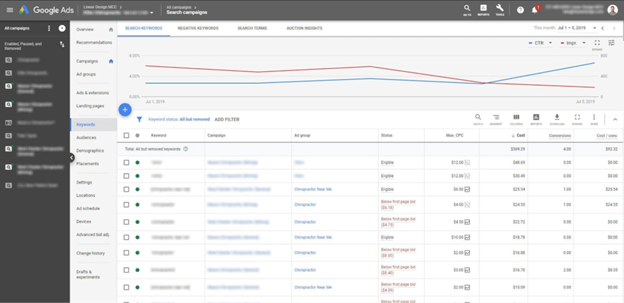
Google Ads is one of the most used advertising platforms in the world.
With its reach across Google Search, YouTube, and the Google Display Network, it’s easy to see why it’s the go-to choice for businesses looking to drive awareness and conversions at scale.
But is it the best fit for your needs in 2025?
Reach and Audience
Google Ads has the largest search engine market share, with 91.07% of global search volume. This gives you access to a massive audience actively searching for products or services similar to yours.
Whether someone’s looking to book a hotel, buy a pair of shoes, or learn more about a specific topic, they’re likely to do it on Google.
The key benefit of Google Ads here lies in intent-based targeting.
People come to Google with a specific need or query, which makes your ads highly relevant when displayed at the right moment. That means Google Ads is particularly effective for businesses that are focused on demand generation: targeting people who are already in the buying mindset.
Cost Breakdown (CPC, CPA)
When it comes to cost, Google Ads operates on a pay-per-click (PPC) basis, where you pay each time someone clicks on your ad. This cost can vary significantly based on factors like:
- Industry competitiveness.
- Keyword choice.
- Geographic targeting.
In highly competitive industries like insurance, finance, and legal services, you might find the cost-per-click (CPC) to be quite high. On average, CPCs in Google Ads can range from a few dollars to hundreds of dollars, depending on the niche.
Because of the large range in CPC, you may face challenges managing your ad spend efficiently and ensuring that each click leads to a valuable conversion.


The 4 Best Ways to Start Lowering Your Google Ads CPC in 2026 (+1 Bonus)
Key Features of Google Ads
Google Ads comes with a range of features designed to help you optimise your campaigns and drive more value. Here are a few tools you get with your Google Ads account:
| Feature | Description |
| Search Ads | Text-based ads that appear in Google’s search results when users search for specific keywords. Ideal for demand generation targeting high-intent users. |
| YouTube Ads | Video ads that run on YouTube, including skippable and non-skippable formats. Great for brand awareness and reaching a wide audience through engaging video content. |
| Google Display Network | Visual display ads are shown across over 2 million websites and apps. The feature is effective for brand awareness and reaching users outside of the active search phase. |
| Automation | Advanced AI and machine learning to optimise bidding, targeting, and ad placements. Helps businesses achieve maximum results with minimal manual adjustments. |

How to Combine Search, Display, and YouTube Ads for a Full-Funnel Campaign
Google Ads remains a powerful platform, offering extensive reach and advanced targeting options that can deliver impressive results when used effectively. But its high competition and potentially costly CPCs mean it’s not always the most budget-friendly choice for every business.
The platform is best suited for businesses aiming to capture high-intent traffic, especially those in e-commerce, local services, or industries where brand visibility is crucial.
What is Microsoft Ads?
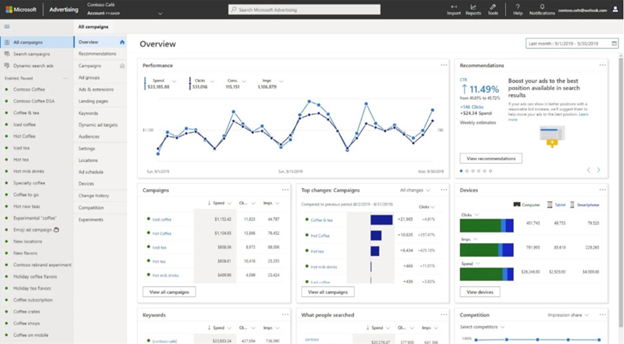
While Google Ads may be the dominant player in the search engine advertising space, Microsoft Ads, formerly known as Bing Ads, offers a compelling alternative (or add on) that’s worth considering.
In fact, it can be an attractive option if you’re looking for cost-effective paid media solutions and access to a slightly different audience.
Reach and Audience
Microsoft Ads may not have Google’s vast reach, but it has a dedicated and valuable audience. Bing, Microsoft’s search engine, still holds a solid market share in Australia at 6.24 per cent in 2025.
Combined with Yahoo, Microsoft Ads reaches about 7.59 percent of search engine users in Australia, making it a substantial platform in its own right.
What sets Microsoft Ads apart is its unique audience demographic. The platform tends to attract older, more affluent users, with a higher proportion of desktop searches. This audience is also more likely to be decision-makers in their companies, which makes Microsoft Ads potentially effective for B2B advertisers.
Another benefit is that Microsoft Ads has access to LinkedIn audience targeting: a feature that gives businesses an added layer of precision that Google Ads doesn’t offer. This means that this platform can reach professionals based on their:
- Job title.
- Industry.
- Company.
Cost Breakdown (CPC, CPA)
One of the most attractive features of Microsoft Ads is its lower cost-per-click (CPC) compared to Google Ads.
On average, advertisers find that Microsoft Ads offers a more cost-effective solution, especially in highly competitive sectors. CPCs are generally lower, which means you can potentially get more clicks for your budget, leading to better cost-efficiency and higher ROI.
The lower CPC, combined with the platform’s smaller audience, can often cause a lower cost-per-acquisition (CPA).
If you’re running campaigns for specific niches or targeting high-value customers, Microsoft Ads could provide a stronger ROI without the competition and price inflation seen on Google Ads.
Key Features
Microsoft Ads offers several features that can help you optimise your campaigns, including:
| Feature | Description |
| Search Ads | Similar to Google Ads, Microsoft Ads allows you to run search ads that appear when users search for specific terms. While search volume is lower, competition is also reduced. |
| LinkedIn Profile Targeting | Unique to Microsoft Ads, this feature allows advertisers to target users based on their LinkedIn profile information, such as job title, company, and industry. Perfect for B2B campaigns. |
| Audience Targeting | Leverage remarketing lists and custom audiences to re-engage previous visitors or target new customers who meet your ideal profile. |
| Shopping Ads | Display products directly in search results with images, prices, and product details, driving conversions for e-commerce businesses. |

What Are The Best Paid Media Platforms By Industry?
Microsoft Ads may not offer the same reach as Google, but its lower cost-per-click, unique audience targeting features, and access to LinkedIn data make it an appealing option.
This is especially true for B2B companies or those targeting a wealthier, desktop-oriented audience.
The platform’s cost-efficiency, coupled with its precision targeting, offers great potential for businesses looking to optimise their advertising budget while reaching high-value customers.
So, if your goals align with these strengths, Microsoft Ads could be a smart addition to your marketing mix.
Google Ads vs Microsoft Ads: A Direct Comparison

When deciding between Google Ads and Microsoft Ads, it’s important to consider the factors that could matter most to your business: reach, cost-efficiency, audience targeting, and platform features.
Here’s a detailed overview of how these two platforms stack up against each other to help you make a better-informed decision:
Reach and Audience
Google Ads dominates in terms of search volume and audience reach.
With Google holding over 91 per cent of the search engine market in Australia, you’re getting access to a vast pool of users actively searching for what you offer.
Whether you’re running ads on search, YouTube, or the Display Network, Google Ads puts your business in front of millions of potential customers across various touchpoints.
However, Microsoft Ads has a smaller but highly engaged audience. It reaches a smaller percentage of search engine users, with a significant concentration of affluent, older users who are more likely to convert.
If your business targets professionals or higher-income groups, this audience might be more aligned with your ideal customer profile.
Plus, Microsoft Ads’ LinkedIn integration offers a unique opportunity to target professionals by job title, industry, or company, which Google Ads cannot match.
Winner: Google Ads; Greater reach and volume, especially for businesses targeting a broad audience.
Cost Efficiency (CPC and CPA)
Google Ads tends to have a higher cost-per-click (CPC).
The high demand for prime search terms means you could be paying more per click, which can lead to a higher cost-per-acquisition (CPA), especially if your campaigns aren’t optimised effectively.
On the other hand, Microsoft Ads generally offers lower CPCs, which means you can achieve better cost efficiency, particularly in niches or regions where competition on Google is fierce.
With its smaller audience, you may also face less competition, leading to lower costs and a better chance of ranking high for targeted keywords without bidding as aggressively.
Winner: Microsoft Ads; Lower CPC and CPA, making it a more cost-effective option for many businesses.
Platform Features
Both platforms come with their own set of tools and features to help you optimise campaigns, but each has its strengths.
Google Ads offers advanced automation and AI-driven bidding strategies such as Target CPA and Target ROAS, which can save you time and help optimise for conversions automatically.
The platform’s machine learning algorithms continually adjust bids based on user behaviour, and the wide variety of ad formats allows you to reach users at different stages of the buying journey.
While slightly less advanced in terms of automation, Microsoft Ads provides accurate targeting options that can be particularly valuable for niche businesses.
The ability to integrate with LinkedIn data allows for hyper-targeting based on professional attributes, such as job titles and industry. This feature is a strong selling point for B2B marketers looking to reach decision-makers directly.
Additionally, Microsoft Ads’ Shopping Ads and dynamic remarketing capabilities are excellent for e-commerce businesses that want to display their products directly in search results, just like Google Ads, but often at a lower cost.
Winner: Google Ads; More advanced automation and a wider range of features for comprehensive campaign management.
Ad Formats and Creative Flexibility
Both platforms allow you to run search ads, display ads, and shopping ads, but the way they operate differs in a few key areas.
Google Ads is known for its rich creative options, which can give you more flexibility with ad extensions like sitelinks and call extensions that enhance the visibility of your ads and provide more value to users.
You can also use responsive ads that automatically adjust to fit different placements, ensuring your ads look great on any device.
Microsoft Ads, on the other hand, has a more streamlined ad creation process, with similar options to Google Ads but fewer extensions.
But it’s often easier to manage campaigns due to its simplified interface and less cluttered dashboard, which can save time if you’re managing smaller, more focused campaigns.
Winner: Google Ads; More creative flexibility and tools for enhancing ad visibility.

Types of Google Ads in 2025: An Ultimate Guide to Ads Campaigns
Both Google Ads and Microsoft Ads have their strengths, and the right platform depends on your specific needs.
If you’re aiming for maximum reach and more advanced automation, Google Ads is the clear choice. However, if you’re looking for a more cost-effective platform with the potential for better ROI (especially in less competitive industries or for reaching decision-makers), Microsoft Ads could provide significant value.
Which Platform is Right for You?
Now that you have a clearer picture of what both Google Ads vs Microsoft Ads have to offer, the next step is determining which platform best suits your business goals. The decision isn’t always straightforward, as each platform has distinct advantages depending on your objectives. Let’s break it down.
Google Ads: Best for Broad Reach and High-Volume Campaigns
If your goal is to reach a massive audience across a variety of channels, Google Ads is likely the better fit.
Its unmatched reach, paired with a wide range of ad formats and advanced automation tools, makes it ideal for businesses looking to capture leads from users at various stages of their buying journey.
Google Ads is particularly strong if you:
- Want to capture demand: Google’s search-based ads let you target users who are already looking for solutions similar to yours. If your business thrives on high-intent search traffic, Google Ads is built for that.
- Need scalability: Whether you’re running ads locally or globally, Google Ads can scale with your business, allowing you to expand your reach as your needs grow.
- Are in a competitive industry: If you’re in a sector where competition is fierce, like travel, e-commerce, or finance, Google Ads’ features like auction-based bidding and advanced targeting can help you compete effectively.
Microsoft Ads: Best for Niche Markets and Cost-Efficiency
On the other hand, if you’re looking for a more cost-effective option, especially in industries where CPCs on Google are high, Microsoft Ads could offer the best value.
The platform’s lower CPCs and highly targeted audience (especially professionals) make it a great choice for businesses in niche markets and B2B advertisers.
Microsoft Ads is ideal if you:
- Want more cost-effective ad spend: If you’re looking to optimise your ad budget without sacrificing performance, Microsoft Ads’ lower CPC and CPA often lead to better cost efficiency.
- Target older or more affluent audiences: Microsoft Ads reaches a demographic that tends to be older, more affluent, and more likely to be in decision-making roles. If your business targets these groups, this could be a great fit.
- Are focused on B2B: The LinkedIn integration allows you to reach professionals based on job title, company, and industry. If you need to get in front of decision-makers, Microsoft Ads gives you the ability to target them with precision.
How to Make the Decision Based on Your Business Type
The right platform also depends on the nature of your business. Here are a few examples to help you decide Google Ads vs Microsoft Ads :
- E-commerce Businesses: If you’re running an online store and want to drive traffic to your website with product ads, both platforms offer Shopping Ads, but Google Ads might be a better option because of its wider reach and robust ad formats.
- Service-Based Businesses: If you’re a local service provider (plumber, electrician, etc.), Google Ads can help you appear in local search results. However, Microsoft Ads can offer better ROI due to its lower CPC in less competitive areas.
- B2B Businesses: For B2B marketers, Microsoft Ads is a strong choice thanks to its LinkedIn targeting and the ability to focus on professionals in specific industries or job roles. While Google Ads also offers targeting options, the LinkedIn audience integration on Microsoft Ads is a significant advantage for B2B marketing.
- Startups or Smaller Budgets: If you’re just starting out or working with a tighter budget, Microsoft Ads may allow you to stretch your ad spend further, especially if you’re targeting specific, niche audiences. It’s a good choice for businesses that want to avoid the intense competition (and higher costs) associated with Google Ads.

Benefits of Paid Social Media Advertising
Choosing between Google Ads and Microsoft Ads doesn’t have to be a one-size-fits-all decision. Both platforms offer unique benefits that can align with different business goals, whether you’re aiming for broad reach, cost efficiency, or more precise targeting.
The key here is to assess your business’s needs and choose the platform that best supports those objectives.
What’s Next for Your Ads Strategy?
Whether you’re a marketer under pressure to get results, a sales leader looking to speed up the sales cycle, or a business owner keen to drive revenue efficiently, choosing the right advertising platform is crucial to your success.
In 2026, both Google Ads and Microsoft Ads have their place in a well-rounded marketing strategy.
And as competition grows and consumer behaviour continues to evolve, the last thing you want is to be stuck with a platform that doesn’t suit your needs or an outdated strategy.
The sooner you get clear on where to allocate your ad spend, the sooner you’ll start seeing better-qualified leads, improved ROI, and faster sales cycles.
If you’re not already testing both platforms, it’s time to start.
Start with a small pilot campaign on Microsoft Ads and compare it to your Google Ads performance. Track the results closely and adjust your budget accordingly.
Don’t just settle for “good enough”: test, optimise, and grow your advertising efforts.
And if you need help setting up your ad strategy, get in touch with RedPandas to schedule a free paid media management consultation call so we can point you in the right direction.

What is a Paid Media Retainer & What Does It Include?




Get the best content marketing insights right in your inbox!
Subscribe to our Newsletter and get marketing insights delivered to your inbox every week.